China Top 10 Refrigerant Hose Suppliers Corrosion Tips?

Time:2026-10-28 Author:Liam
0%

Selecting reliable refrigerant hose suppliers in China requires more than comparing prices and delivery dates. Corrosion can begin inside the hose, around crimped fittings, or beneath damaged insulation. Moisture, oxygen, salt air, refrigerant oil, and incompatible metals may slowly weaken the assembly. A hose can look clean outside while its reinforcement deteriorates internally.

How to avoid corrosion in AC refrigerant hoses? HVAC materials specialist Dr. Michael R. Wilson advises, “Control moisture before installation, then match every hose layer and fitting to the refrigerant system.” His guidance highlights a practical truth: corrosion prevention starts with material compatibility, not emergency replacement. Buyers should request hose specifications, pressure ratings, temperature limits, and refrigerant compatibility documents from each supplier. They should also inspect brass, steel, aluminum, and plated fittings for galvanic corrosion risks. Small details matter.

Top suppliers should explain their tube materials, reinforcement construction, ozone resistance, and storage procedures. Ask whether hoses are capped during shipment. Check for swelling, surface cracks, sticky layers, or unusual discoloration before installation. In coastal factories, salty warehouse air can accelerate damage. That risk is easy to underestimate.

Field experience still has gaps. Supplier certificates may not reflect long-term exposure to humidity, vibration, and repeated pressure cycles. Therefore, independent testing remains valuable. A sample hose can undergo pressure, bend, temperature, and salt-spray checks before bulk purchasing. This costs more initially. It may prevent costly leaks, compressor damage, and unsafe service conditions later.

This guide examines ten leading Chinese refrigerant hose suppliers, comparing corrosion-resistant materials, quality controls, documentation, and practical support for international HVAC buyers.
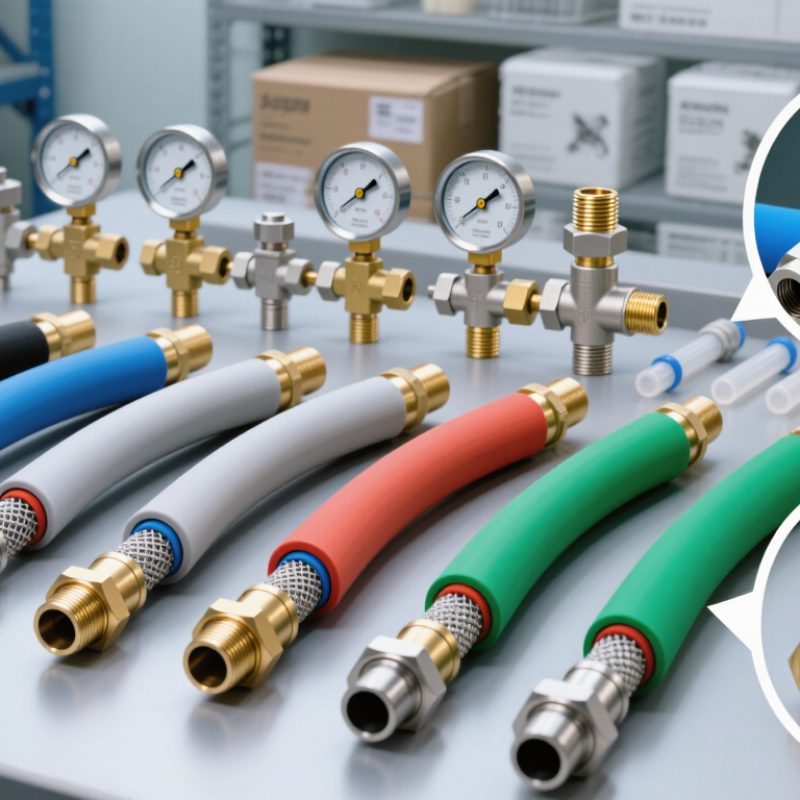
China Top 10 Refrigerant Hose Suppliers Corrosion Tips?

Refrigerant Hose Corrosion Risks in China’s Refrigeration Industry

Refrigerant Hose Corrosion Risks in China’s Refrigeration Industry

China’s refrigeration sites often combine humidity, salt air, dust, and temperature changes. These conditions can attack hose reinforcement, fittings, and crimped joints. Coastal warehouses face chloride exposure, while inland factories may expose hoses to acidic cleaning vapors. Corrosion can begin beneath insulation, where moisture remains invisible. A small brown stain may indicate deeper damage.

Experienced maintenance teams inspect hoses during shutdowns, not only after leakage appears. They check the outer cover, metal braid, connection sleeves, and bend radius. White deposits near fittings deserve attention. So do softened covers and exposed reinforcement wires. Wipe the surface first, then photograph defects with a scale beside them. Pressure, temperature, refrigerant type, oil compatibility, and permeability records should match the application. Supplier evaluations should include traceable test reports and consistent batch controls, not attractive catalogs alone.

Installation errors are often mistaken for material failure. A hose stretched across a sharp frame may corrode faster at one contact point. Clamps can trap water. Poor routing can create constant vibration. No checklist is perfect. A previous inspection may miss corrosion under insulation or inside a fitting. That is why sampling should include removed hoses, especially from coastal sites and cold rooms with frequent washdowns. Replacement decisions should consider service age, surface damage, pressure history, and the cost of an unexpected shutdown.

How to Evaluate China’s Top 10 Refrigerant Hose Suppliers

Evaluating China’s top ten refrigerant hose suppliers requires more than comparing prices. In field inspections, I start with material traceability, production records, and application data. Ask whether each hose uses compatible inner-tube rubber, reinforcement wire, and weather-resistant cover. Refrigerant oils can expose weak compounds quickly. A sample may look excellent. It may still fail after heat, pressure, and moisture cycles. Keep that doubt.

Request batch-specific test reports, not polished general brochures. Check burst pressure, leakage, permeation, bending fatigue, and salt-spray performance. Corrosion often begins at fittings, crimp zones, and exposed wire ends. Inspect cut sections under magnification. Dark staining, loose braid, or uneven crimping deserves a written explanation. Reliable engineering teams should explain test methods, equipment calibration, and acceptance limits. They should also provide installation guidance and a traceable corrective-action process.

Visit the factory when possible. Observe storage conditions, rubber mixing controls, cleanliness, and final inspection. Interview quality staff separately from sales staff. Compare three production batches, not one perfect sample. An independent laboratory can verify critical results. Certificates help, but they do not replace evidence. I once treated a low price as efficiency; later, replacement labor changed the calculation. That mistake remains useful. Evaluate communication speed, document accuracy, sample consistency, and after-sales response. Choose the supplier whose process remains dependable when specifications become inconvenient.

Materials and Coatings That Improve Hose Corrosion Resistance

China Top 10 Refrigerant Hose Suppliers: Corrosion Tips

Refrigerant hose corrosion usually starts outside the hose. Salt spray, moisture, oil residue, and damaged braid coatings accelerate failure. The NACE IMPACT study estimated global corrosion costs at 3.4% of worldwide GDP in 2013. That figure explains why material selection deserves more attention.

For the inner tube, PTFE offers strong chemical resistance and low moisture absorption. Polyamide can reduce permeation, but it needs careful compatibility testing with refrigerants and oils. EPDM may perform well in selected applications, yet it is not universally suitable. Stainless steel braid, especially corrosion-resistant grades, protects against pressure and mechanical damage. Zinc-nickel plating can improve fitting protection, while epoxy or fluoropolymer coatings help shield exposed metal. Coating adhesion matters more than appearance. A beautiful coating can still fail at a sharp bend.

Tips: Match the hose material with the exact refrigerant and lubricant. Check SAE J2064 performance requirements before approval. Use ISO 9223 atmospheric categories when evaluating coastal or industrial locations. Inspect fittings for rust, blistering, and braid discoloration. Avoid trapping water under clamps. That mistake is common. Keep bend radii within the supplier’s tested limits, and record salt-spray or cyclic-corrosion results. The wrong test can create false confidence. Supplier documentation should include temperature, pressure, permeation, and compatibility data. Field experience remains essential, because laboratory corrosion rarely copies every installation detail.

China Top 10 Refrigerant Hose Suppliers Corrosion Tips? - Materials and Coatings That Improve Hose Corrosion Resistance

Technical comparison guide for evaluating refrigerant hose constructions, corrosion protection, and supplier quality controls. The listed materials and standards are commonly used in automotive and stationary refrigeration hose applications.

No. Hose Construction or Supplier Offering Typical Inner-Tube Material Permeation-Control Layer Outer Cover or Coating Corrosion-Resistance Benefit Recommended Evaluation Point
1 Multi-layer automotive A/C hose Refrigerant-compatible synthetic rubber, commonly CR or IIR-based compounds Thermoplastic barrier layer or low-permeation elastomer layer EPDM, CSM, or weather-resistant synthetic rubber Protects the pressure tube from moisture, road salt, ozone, and splash water while limiting refrigerant loss. Confirm compliance with SAE J2064 and verify refrigerant compatibility for R134a or R1234yf.
2 CR inner tube with textile reinforcement Chloroprene rubber (CR) Optional nylon or thermoplastic intermediate barrier CR or EPDM cover CR provides useful resistance to oils, ozone, weathering, and moderate chemical exposure in vehicle engine compartments. Check compound temperature range, burst pressure, and resistance to automotive fluids.
3 PA-lined low-permeation hose Polyamide (PA) inner liner The PA liner itself acts as the primary refrigerant barrier EPDM or thermoplastic elastomer protective cover PA offers low gas permeability and good resistance to many oils and refrigerant-service chemicals. Check flexibility at low temperature, bend radius, and bonding between the PA liner and elastomer layers.
4 EVOH barrier multi-layer hose Elastomer or thermoplastic refrigerant-compatible tube Ethylene-vinyl alcohol (EVOH) barrier layer Weather-resistant elastomer cover EVOH can significantly reduce gas permeation when properly protected from moisture and supported by compatible layers. Verify the barrier design, moisture protection, layer adhesion, and tested permeation rate.
5 EPDM-covered hose for external exposure Refrigerant-rated synthetic rubber Optional polymer barrier layer EPDM rubber EPDM has strong resistance to ozone, sunlight, rainwater, and weathering, making it suitable for exposed routing. Do not assume compatibility with every petroleum oil; verify the selected refrigerant oil and compound formulation.
6 CSM-coated hose for harsh environments CR, IIR, or another refrigerant-compatible elastomer Low-permeation rubber or thermoplastic layer Chlorosulfonated polyethylene (CSM) CSM covers provide good ozone, weather, oxidation, and resistance to diluted acids and alkalis. Request immersion and aging test data for the actual salt, coolant, cleaning agent, and refrigerant-oil exposure.
7 Wire-braided high-pressure refrigerant hose Refrigerant-compatible synthetic rubber or thermoplastic tube Integrated low-permeation inner layer where required Rubber or thermoplastic cover over steel-wire reinforcement The cover isolates steel reinforcement from water and salt; correct crimping helps prevent corrosion at fittings. Evaluate wire material, cover integrity, burst pressure, impulse life, and crimp compatibility.
8 Thermoplastic hose with protective jacket PA or other refrigerant-rated thermoplastic Low-permeation thermoplastic structure TPU, TPE, or abrasion-resistant external jacket Thermoplastic jackets can resist abrasion, moisture, and many automotive contaminants while reducing exposed metal surfaces. Check UV stability, permeation performance, electrostatic requirements, and resistance to repeated flexing.
9 Hose assembly with corrosion-resistant fittings Refrigerant-compatible rubber or thermoplastic tube Barrier layer selected for the refrigerant and oil Protective hose cover plus plated or stainless fitting surface Zinc-nickel plating, suitable anodizing, or stainless steel can reduce fitting corrosion caused by salt spray and condensation. Request salt-spray results, plating thickness, galvanic compatibility review, and fitting pull-off tests.
10 Custom hose assembly with abrasion sleeve Application-specific CR, EPDM, PA, or thermoplastic tube Barrier layer matched to the refrigerant and operating pressure Textile sleeve, PET braid, nylon sleeve, or coated protective wrap An abrasion sleeve prevents wear-through that can expose reinforcement and fittings to moisture, salt, and corrosive chemicals. Define routing, clamp spacing, minimum bend radius, vibration exposure, and sleeve resistance before production approval.
Selection note: Corrosion resistance depends on the complete hose assembly, including the tube compound, barrier layer, reinforcement, cover, fittings, plating, crimp design, routing, and maintenance conditions. Ask suppliers for material declarations, refrigerant/oil compatibility data, permeation results, burst and impulse tests, ozone aging, and salt-spray or environmental-aging evidence where applicable.

Testing and Quality Standards for Long-Lasting Refrigerant Hoses

Long-lasting refrigerant hoses depend on testing, not appearance. A smooth black cover can hide pinholes, swelling, or weakened reinforcement. SAE J2064 evaluates automotive air-conditioning hose performance, including refrigerant permeation and pressure impulse resistance. ISO 1817 measures rubber changes after fluid exposure, including volume, hardness, and tensile strength. These results reveal failures that simple pressure checks may miss.

Corrosion testing should reflect real service conditions. ISO 9227 salt-spray testing exposes fittings and reinforcement to a controlled saline mist. Inspectors should record rust spread, blistering, cracks, and fitting separation. Pressure cycling then tests the hose repeatedly, with temperatures changing from cold storage to engine-bay heat. A hose surviving one static test is not automatically durable.

Quality control also needs refrigerant compatibility, dimensional checks, and leak-rate measurement. Industry guidance from UNEP’s Scientific Assessment of Ozone Depletion emphasizes minimizing refrigerant emissions through reliable containment and maintenance. Manufacturers should trace batch numbers, curing records, and test temperatures. Small details matter. A loose crimp can fail quietly.

Field experience adds an uncomfortable lesson: laboratory results do not predict every installation. Tight bends, vibration, contaminated fittings, and incorrect torque can shorten service life. Test reports should state the refrigerant, pressure, duration, temperature, and acceptance limits. Without those details, “passed” means very little. Suppliers should review failures openly and adjust designs, even when the original test technically passed.

Installation and Maintenance Tips to Prevent Hose Corrosion

China Top 10 Refrigerant Hose Suppliers Corrosion Tips?

Installation and Maintenance Tips to Prevent Hose Corrosion

Proper installation is the first defense against refrigerant hose corrosion. Select hoses compatible with the refrigerant, oil, pressure, and operating temperature. A hose that looks strong may still deteriorate internally. Keep fittings clean and dry before connection. Remove metal particles, dust, and moisture from every sealing surface. Moisture is often the hidden problem.

Avoid twisting the hose during tightening. Hold the fitting steady, then apply the specified torque with a calibrated wrench. Leave enough length for vibration and thermal movement. Respect the manufacturer’s minimum bend radius. Sharp bends can stress the inner tube and expose reinforcement layers. Keep hoses away from hot surfaces, chemical spills, and rough metal edges. Use protective sleeves where abrasion may occur.

Inspect the hose during every scheduled service visit. Look for swelling, cracks, discoloration, rust near fittings, and oily deposits. Check clamps and supports for looseness. A small leak can attract dirt and accelerate corrosion.

Clean exposed surfaces with an approved, non-damaging cleaner. Do not scrape corrosion aggressively; hidden damage may worsen. Record inspection dates, pressure-test results, and replacement decisions.

A checklist helps, but it is not perfect. Technicians can miss corrosion beneath insulation or mounting clips. Remove covers when practical. Replace any hose showing structural damage, severe corrosion, or repeated leakage. Do not wait for a failure during peak cooling demand.

FAQS

What usually causes corrosion on refrigerant hoses?

Salt spray, moisture, oil residue, and damaged braid coatings can start external corrosion. Moisture is deceptive. Rust often begins near fittings and clamps.

Which inner-tube materials resist corrosion best?

PTFE provides strong chemical resistance and absorbs little moisture. Polyamide can reduce permeation but requires compatibility testing. EPDM works only in selected applications.

How do braid materials protect a hose?

Corrosion-resistant stainless steel braid helps resist pressure and mechanical damage. Its protective value decreases when coatings discolor, crack, or lose adhesion.

Which coatings can protect exposed metal fittings?

Zinc-nickel plating, epoxy, and fluoropolymer coatings can shield exposed metal. Appearance is not enough. A coating may fail at a sharp bend.

How should hose compatibility be checked?

Match the hose with the exact refrigerant, lubricant, pressure, and temperature. Review permeation and compatibility data before approval. Guessing is risky.

How can installation reduce hose corrosion?

Keep fittings clean and dry before connection. Do not twist the hose during tightening. Use a calibrated wrench and the specified torque.

What installation details deserve special attention?

Allow room for vibration and thermal movement. Respect the tested minimum bend radius. Keep hoses away from heat, chemicals, and sharp metal edges.

What should technicians inspect during maintenance?

Check for swelling, cracks, discoloration, oily deposits, rust, loose supports, and braid damage. Remove covers when practical. Hidden corrosion is easy to miss.

When should a corroded hose be replaced?

Replace hoses with structural damage, severe corrosion, or repeated leakage. Do not wait for peak cooling demand. This judgment is not always simple.

Are laboratory corrosion tests enough for approval?

No. Salt-spray or cyclic-corrosion results provide useful evidence, but installations behave differently. Field experience still matters, and test selection can create false confidence.

Conclusion

China’s refrigeration industry faces significant refrigerant hose corrosion risks caused by moisture, salt, chemicals, temperature changes, and incompatible refrigerants or oils. When evaluating China’s top 10 refrigerant hose suppliers, buyers should examine material quality, production consistency, technical expertise, traceability, and after-sales support rather than relying only on price. Reinforced rubber, thermoplastic layers, stainless-steel braiding, and protective outer coatings can improve resistance to pressure, abrasion, chemicals, and environmental exposure.

The best suppliers should provide reliable testing data, including pressure, leakage, burst, flexibility, aging, and refrigerant compatibility tests, supported by recognized quality-management practices. Proper installation is equally important: avoid sharp bends, excessive twisting, contact with hot surfaces, and poorly secured connections. Regular inspection can identify cracks, swelling, discoloration, stiffness, or leakage before failure occurs. How to avoid corrosion in AC refrigerant hoses? Select compatible materials, keep hoses clean and dry, protect them from corrosive surroundings, use correct fittings, and replace damaged hoses promptly.

Liam

Liam

Liam is a dedicated marketing professional with a profound expertise in the industry, where he excels at highlighting the unique advantages of our core products. With a keen understanding of market trends and consumer needs, Liam frequently updates our company’s professional blog, providing......