How to Fix a Bulging Coolant Hose and Why It Happens?

Time:2026-11-04 Author:Madeline
0%

Why does coolant hose bulge and what to do? The answer begins with pressure, heat, and the hose itself. A swollen hose is not merely an ugly spot beneath the hood. It can signal weakened reinforcement, excessive cooling-system pressure, or both. A tired hose may feel soft near the clamp, while a failing inner layer can swell like a small balloon after the engine warms. Easy to miss. A defective radiator cap, restricted radiator, overheating engine, or combustion gases entering the coolant can also raise pressure. Replacing the hose may stop the visible bulge, but it will not fix an underlying fault.

Richard Reina, an automotive product-training expert, is a relevant professional readers may consult; however, I cannot verify a verbatim statement from him about this exact problem. Rather than inventing a quotation, here is a clearly editorial takeaway: “A bulging hose is a warning to inspect the whole cooling system, not just the rubber.” That distinction matters. A technician should check the hose condition, clamps, coolant level, radiator cap, and signs of overheating or leaks. Never remove a pressure cap while the engine is hot. Steam and hot coolant can cause severe burns. If the hose is visibly swollen, cracked, or leaking, avoid driving until the vehicle has cooled and the fault is assessed. This guide explains how to identify likely causes, replace a damaged hose safely, and decide when pressure testing or professional diagnosis is needed. Sometimes the hose is only the messenger. That deserves a second look.
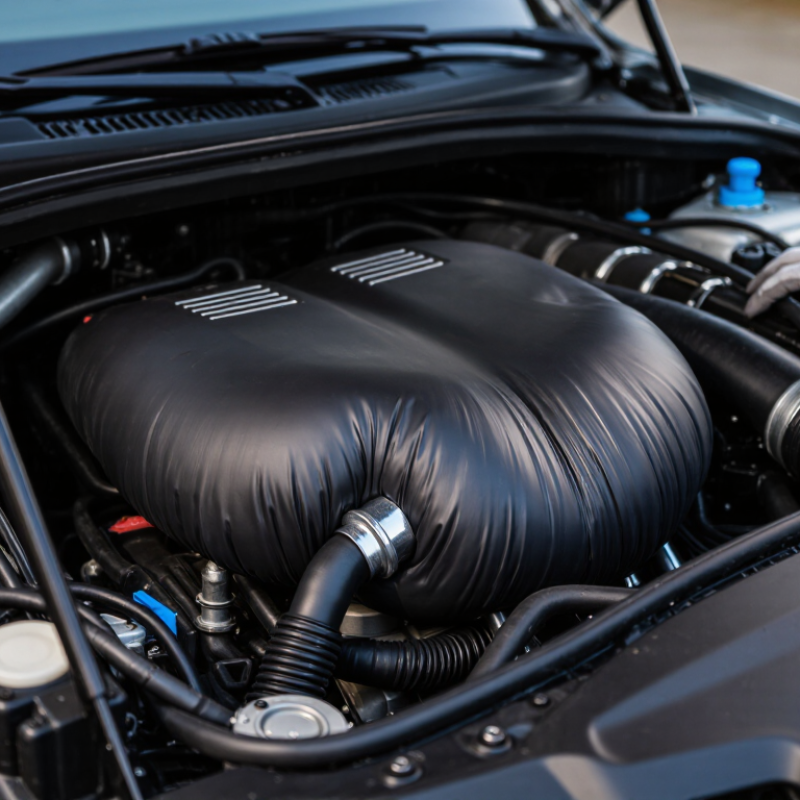
How to Fix a Bulging Coolant Hose and Why It Happens?

What a Bulging Coolant Hose Is and Why It Matters

A bulging coolant hose is a section that has swollen beyond its normal shape, often forming a soft lump or balloon-like area. It may feel spongy compared with the rest of the hose. This swelling can mean the hose’s inner reinforcement has weakened, even if the outer rubber looks mostly intact. A small bulge is not harmless.

Hoses expand slightly as the engine warms, but a lasting, uneven bulge deserves attention. Age, repeated heat cycles, contaminated coolant, or excessive pressure can damage the hose. A restricted passage or cooling-system fault may also raise pressure. If the hose fails, coolant can escape quickly and the engine may overheat. Do not open the radiator or coolant cap while the engine is hot; pressurized fluid can cause severe burns. Replace a damaged hose rather than relying on a temporary patch, and have the cap, clamps, and system pressure checked if the cause is unclear. Appearance alone can mislead.

Tips: Check hoses only when the engine is cool. Look for cracks, leaks, and soft spots. Avoid driving with a pronounced bulge; arrange a safe inspection instead. A little caution here can prevent a much larger repair.

Common Causes of Coolant Hose Bulging

A coolant hose usually bulges when its rubber weakens or cooling-system pressure rises beyond normal. Age and repeated heat cycles can soften the hose, while its inner lining may separate from the reinforcing fibers. The damage is not always visible from above. Look closely. A swollen section may feel unusually soft, spongy, or lumpy compared with the rest of the hose.

Excess pressure can come from a faulty radiator cap, a stuck thermostat, restricted radiator flow, or another cooling-system problem. These causes need proper diagnosis; replacing the hose alone may not prevent another failure. Oil or incompatible coolant contacting the rubber can also accelerate deterioration. A loose or poorly positioned clamp may create stress near the connection, though a bulge along the hose often suggests internal weakening instead. Not always.

If you find one, avoid driving far, let the engine cool completely, and have the hose and system inspected. Never remove a hot radiator cap. A bulged hose generally needs replacement, not a patch, with clamps checked during installation.

How to Diagnose the Cause Safely

How to Fix a Bulging Coolant Hose and Why It Happens?
How to Diagnose the Cause Safely

Start with a cold engine. Never remove a radiator or pressure cap while the system is hot; pressurized coolant can cause severe burns. Look for a localized balloon, soft spots, cracks, wet seams, or dried coolant residue. A hose may swell after its inner lining weakens, but heat damage, age, or oil contamination can also contribute. A bulge is evidence of a problem, not a diagnosis by itself.

Check the hose routing and clamps, then compare its condition with the other hoses. SAE J20 sets performance requirements for automotive coolant hoses, including resistance to pressure, heat, and coolant exposure; it does not provide one universal bulge measurement for condemning a hose. A cooling-system pressure tester can help locate leaks, but use the vehicle’s specified test pressure and never exceed the cap rating. Check the coolant condition too: ASTM D3306 covers glycol-based engine coolant requirements, and oily or contaminated coolant deserves further investigation. A visual check can mislead. If the hose swells again after replacement, or the system repeatedly overheats, have a qualified technician test for excess pressure, a faulty cap, or an internal engine leak. Don’t keep driving to “see what happens.”

How to Fix a Bulging Coolant Hose—and Why It Happens

Many passenger vehicles use radiator caps rated around 13–16 psi, but the correct rating varies by vehicle. A bulging hose may be weakened, or the cooling system may be developing excessive pressure. Let the engine cool completely before inspecting it; never remove a hot radiator cap. Check the hose for cracks, softness, or swelling, and have the cap and cooling system tested against the vehicle’s service specifications. Replace a visibly bulging hose rather than relying on a pressure rating alone.

How to Replace a Bulging Coolant Hose Step by Step

A swollen coolant hose can indicate age, heat damage, excessive system pressure, or a restricted passage. Replace it only when the engine is completely cold. Never loosen a radiator cap on a hot engine; pressurized coolant can cause severe burns. Let the vehicle sit for several hours, then check the hose for cracks, soft spots, and bulges.

Park on level ground and place a drain pan beneath the hose connection. If the repair manual recommends draining coolant, use the specified drain point and collect the fluid. Loosen the clamps with the correct tool, then gently twist the old hose free. Avoid prying against the radiator neck; it can crack more easily than it looks. Compare the replacement hose with the old one before fitting it. Push it fully onto each connection and position the clamps behind the raised fitting edges. A clamp that sits crooked may leak.

Refill with the coolant type and mixture specified for the vehicle, then follow its bleeding procedure. Trapped air can cause overheating, so do not skip this step. Start the engine and watch the connections as it warms, keeping hands and clothing away from moving parts. Shut it off if coolant leaks or the temperature rises unusually. After the engine cools, recheck the coolant level and hose connections. One detail is easy to overlook: a new hose may reveal a worn clamp, so inspect both rather than assuming the hose was the only problem.

How to Fix a Bulging Coolant Hose and Why It Happens? - How to Replace a Bulging Coolant Hose Step by Step

Phase Step or Cause What to Do or Check Important Detail
Why it happens Aged or damaged hose Look for a swollen section, cracks, leaks, soft spots, or a spongy feel once the hose is completely cool. Heat and time can weaken the hose material and its internal reinforcement. A visibly bulging hose should be replaced, not relied on.
Why it happens Excessive cooling-system pressure or overheating Check for overheating, coolant loss, a faulty pressure cap, restricted flow, or other cooling-system faults. A replacement hose may bulge again if the cause of abnormal pressure or overheating is not corrected. Diagnosis may require a cooling-system pressure test.
Why it happens Incorrect hose fit or routing Confirm the replacement is intended for the vehicle and is not kinked, twisted, stretched, or rubbing against hot or moving parts. Use the correct molded hose shape and diameter; a poor fit can restrict coolant flow or cause premature damage.
Before replacing Let the engine cool completely Park on level ground, switch off the engine, and wait until the cooling system is cool before working on it. Never remove a radiator or coolant-reservoir pressure cap while the system is hot or pressurized. Hot coolant can cause severe burns.
Replacement 1. Identify the hose and prepare Use the vehicle service information to identify the correct hose, coolant specification, and any required access or draining procedure. Gather suitable clamps and tools. Hose layout and service procedures vary by vehicle. Follow the vehicle manufacturer's instructions where available.
Replacement 2. Drain coolant as needed Place a drain pan beneath the work area and drain enough coolant to reduce spillage, using the specified drain point if applicable. Collect coolant carefully and keep it away from children and animals. Dispose of used coolant according to local regulations.
Replacement 3. Remove the old hose Release the clamps and gently twist the hose ends to loosen them before pulling the hose free. Avoid damaging the radiator neck or other fittings. If the hose is stuck, use an appropriate hose-removal tool rather than forcing a screwdriver against a delicate fitting.
Replacement 4. Inspect connections and fit the new hose Check the fittings for corrosion, cracks, or sharp damage. Seat the correct replacement hose fully and position the clamps at the specified locations. Tighten clamps securely without overtightening. Ensure the hose follows its intended route and does not contact belts, fans, or sharp edges.
After replacement 5. Refill and remove trapped air Refill with the coolant type and mixture specified for the vehicle. Bleed air from the system using the vehicle's prescribed procedure. Air trapped in the cooling system can interfere with circulation and contribute to overheating. Do not mix coolant types unless the vehicle instructions permit it.
After replacement 6. Check for leaks and monitor temperature With the system assembled, check for leaks using the recommended procedure, monitor the temperature gauge, and recheck the coolant level after the engine has cooled. Stop the engine if it overheats or coolant leaks. If the hose swells again, seek diagnosis for an underlying cooling-system problem.

How to Prevent Future Hose Problems

To prevent another bulging coolant hose, inspect the system only when the engine is fully cold. Look for swelling near clamps, soft spots, cracks, and dried coolant residue. Squeeze the hose gently; a section that feels unusually spongy or brittle deserves attention. Check that clamps sit squarely and that hoses do not rub against sharp edges or hot components. Small details matter.

Use the coolant type and mixture specified for the vehicle. Incorrect fluid, trapped air, a faulty pressure cap, or a sticking thermostat can raise hose stress. SAE J20 sets performance requirements for engine-coolant hoses, while ASTM D471 evaluates rubber’s response to liquids. ASTM D573 includes heat-aging tests; one commonly specified exposure is 70 hours at 100°C. These are controlled laboratory conditions, not a real-world service-life guarantee. Replace a hose based on its condition and the vehicle maker’s schedule, not age alone. Check the cap and cooling system too.

A bulge is a warning, not a cosmetic flaw. Don’t keep driving to “see if it settles.” That’s tempting, but risky. I may be cautious here: visual checks can miss internal damage. If a replacement hose swells again, ask a qualified technician to test system pressure and inspect the thermostat, radiator, and cap before fitting another hose.

FAQS

Why does a coolant hose bulge?

Age and repeated heat can weaken its rubber lining. Excess pressure may also stretch the hose. A soft, lumpy spot is a warning.

Can a bulge identify the exact problem?

No. A bulge suggests trouble, but it does not reveal the cause by itself. A visual check can mislead.

What can cause excess cooling-system pressure?

A faulty cap, stuck thermostat, restricted radiator flow, or another system fault may raise pressure. Replacing the hose alone may not fix it.

Is it safe to inspect a warm engine?

Wait until the engine is completely cold. Never remove a hot radiator cap; pressurized coolant can cause severe burns. Let it cool.

What signs should I look for besides swelling?

Check for cracks, soft areas, wet seams, and dried coolant residue. Look closely around the clamps and hose connections, too.

Should a bulging hose be patched?

A bulged hose generally needs replacement, not a patch. Check the clamps during installation; a crooked or worn clamp may leak.

What should I do if the hose bulges again?

Avoid driving far and arrange a proper inspection. Repeated swelling or overheating may point to excess pressure or another underlying fault. I might miss a small crack during a quick glance.

What details matter when replacing the hose?

Match the replacement hose to the old one, seat it fully, and position clamps behind the raised fitting edges. Follow the vehicle’s coolant and bleeding instructions. Trapped air can cause overheating.

Conclusion

A bulging coolant hose is a warning sign that the cooling system may be under excessive pressure or that the hose itself has weakened. Why does coolant hose bulge and what to do? Common causes include an aging or damaged hose, overheating, restricted coolant flow, or a faulty pressure cap. Because hot coolant can cause serious burns, let the engine cool completely before inspecting anything. Look for swelling, cracks, leaks, and other signs of damage, and check the coolant level and system components without opening a hot cap. If the cause is unclear or the engine continues to overheat, have the system inspected by a qualified professional.

To replace a bulging hose, drain the coolant safely, loosen the clamps, remove the damaged hose, and fit a correctly sized replacement with secure clamps. Refill the system with the appropriate coolant, remove trapped air as directed, and check for leaks after the engine reaches operating temperature. Prevent future problems by inspecting hoses regularly, maintaining the correct coolant level, and addressing overheating or flow issues promptly.

Madeline

Madeline

Madeline is a dedicated marketing professional with a wealth of expertise in our company's core offerings. With a keen understanding of the industry, she brings a unique perspective to her role, consistently delivering high-quality content that highlights the superior aspects of our products. As......