How to Keep Power Steering Hoses Lasting Longer?

Time:2026-08-22 Author:Henry
0%

Maintaining the health of your vehicle's power steering system is crucial for smooth operation. Many drivers overlook their power steering hoses, which can lead to costly repairs. Understanding "How to maintain power steering hoses for longevity?" is vital for any vehicle owner.

Regular inspections of power steering hoses can reveal hidden issues. Look for signs of wear, such as cracks or leaks. These small problems can escalate quickly, compromising the entire system. It's essential to replace damaged hoses promptly to avoid bigger headaches down the road.

In addition, keep the hoses clean and free from debris. Debris can cause abrasion, leading to premature hose failure. Moreover, consider the heat exposure your hoses endure. Excessive heat can weaken the material, shortening its lifespan. By following these steps, you can help your power steering hoses last longer and function reliably.
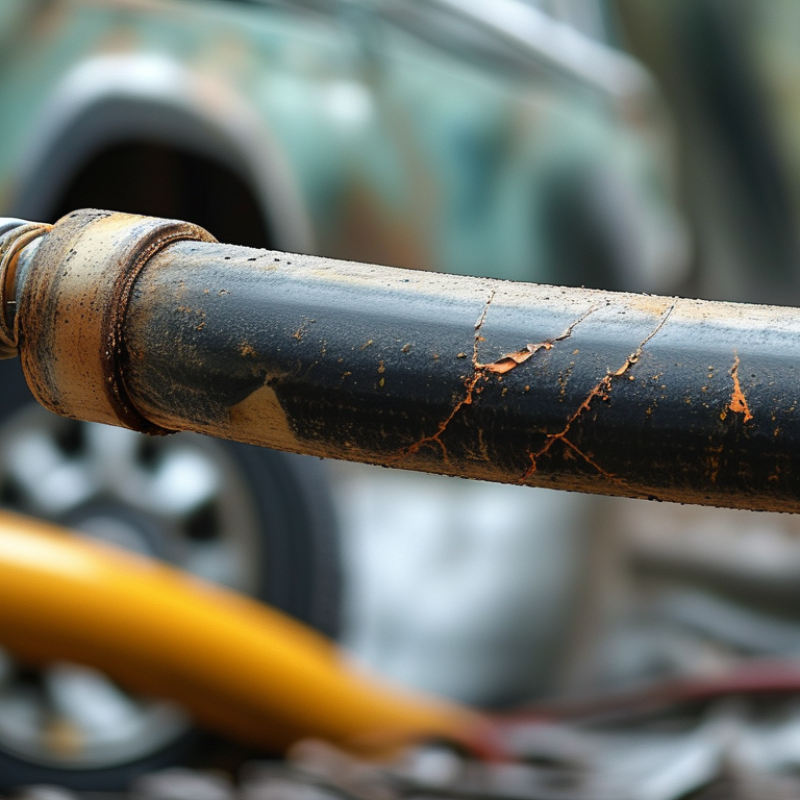
How to Keep Power Steering Hoses Lasting Longer?

Benefits of Regular Maintenance for Power Steering Hoses

Regular maintenance of power steering hoses offers numerous benefits. Inspecting hoses periodically can prevent leaks, which may lead to fluid loss and steering failure. Well-maintained hoses contribute to a smooth steering experience. They ensure that the power steering system functions optimally, maintaining vehicle safety and control.

Checking for wear and tear is crucial. Look for cracks, bulges, or soft spots in the hoses. These signs indicate that the hoses may be near the end of their life span. It’s also essential to monitor the fluid levels regularly. Low fluid can strain the system and damage components. Replacing old hoses with reliable alternatives is a proactive step.

Keep in mind that even the best maintenance efforts can sometimes fall short. Hoses may develop issues unexpectedly, and that’s normal. Staying vigilant can help catch problems early. Draining and replacing the power steering fluid periodically can extend the life of the hoses. Staying informed about the vehicle's needs can lead to safer driving experiences.

Impact of Hydraulic Fluid Quality on Hose Longevity

Hydraulic fluid quality plays a crucial role in maintaining the longevity of power steering hoses. Low-quality fluids can lead to issues such as oxidation and foaming. When fluid degrades, it increases the risk of hose wear and tear. Regularly checking the hydraulic fluid can help identify problems before they escalate.

Contaminants can also cause significant damage. Dirt and debris can enter the fluid system, leading to hose irritation. Using clean, high-quality hydraulic fluid minimizes this risk. It’s essential to ensure that the fluid is compatible with the materials in the hoses to avoid deterioration.

However, some might overlook the importance of fluid maintenance. Many car owners focus solely on the hoses themselves. This can lead to premature wear and unexpected failures. Regular fluid changes and using the right type can have a profound impact. Investing time in these details contributes to overall system reliability and extends the life of your power steering hoses.

Common Environmental Factors Affecting Power Steering Hoses

Power steering hoses are crucial for vehicle performance. However, various environmental factors can significantly impact their lifespan. Temperature extremes pose one of the greatest threats. Studies show that rubber components can deteriorate faster in hot climates. In fact, heat can reduce hose flexibility by up to 20% over time. Cold weather also contributes to stiffness, making hoses more prone to cracking.

Exposure to harsh chemicals is another concern. Road salts and oil spills can corrode hose materials. According to industry reports, hoses exposed to contaminants can fail 30% earlier than expected. UV radiation from sunlight is a silent killer as well. It can cause rubber to harden and lose elasticity, leading to leaks or breaks.

Regular inspections are essential in identifying wear and tear. A visual check for cracks and signs of leaks can reveal a lot. Many vehicle owners overlook these small details. Neglecting maintenance can lead to costly repairs down the line. Awareness of environmental factors is key to extending the life of power steering hoses. Creating conditions that minimize these risks can make a significant difference.

Signs of Wear and Tear in Power Steering Hoses to Watch For

Power steering hoses play a critical role in vehicle steering systems. Over time, these hoses can experience wear and tear, leading to costly repairs if not addressed. It's essential to look out for specific signs of damage. A common indicator of hose deterioration is the presence of leaks. Fluid pooling underneath your vehicle can point to a compromised hose, which may eventually cause steering issues.

Another critical sign to monitor is hardening or cracking of the hoses. As hoses age, exposure to heat and pressure can lead to material breakdown. According to industry reports, approximately 20% of power steering failures are attributed to hose failure, underscoring the importance of routine inspections. Drivers should also pay attention to changes in steering responsiveness. If the steering feels stiff or unresponsive, it may signal a problem with the hoses.

Additionally, check for any bulges or swellings on the hoses. These deformities may indicate internal pressure build-up and potential rupture. Regular maintenance is vital; a recent study noted that vehicles receiving annual inspections were 30% less likely to experience steering-related issues. Being proactive about monitoring your power steering hoses can lead to a safer driving experience.

Best Practices for Inspecting and Replacing Power Steering Hoses

Inspecting power steering hoses is crucial for vehicle longevity. Regular checks can prevent costly repairs. Look for cracks, leaks, and fraying. A damaged hose can lead to steering failure. Check connections and clamps too. They should be tight. Loose connections might cause leaks. It's essential to inspect these components every few months.

When replacing hoses, choose quality materials. Avoid cheap alternatives, as they may not last. Ensure the correct size and fit for your vehicle. Misfit hoses can cause pressure issues. Follow the manufacturer's guidelines attentively. Take note of the routing; incorrect positioning can strain the hoses.

Keep a log of inspections and replacements. This habit helps track wear over time. Remember, prevention is often cheaper than repair. Trust your instincts—if something feels off, investigate. A small issue can quickly escalate to a major problem if neglected.

FAQS

: What environmental factors affect power steering hoses?

: Temperature extremes, harsh chemicals, and UV radiation are primary factors.

How does heat impact power steering hoses?

Heat can reduce hose flexibility by up to 20% over time.

What signs indicate power steering hose wear?

Look for leaks, cracks, bulges, or changes in steering responsiveness.

Why is regular inspection of hoses important?

Routine checks reveal small issues before they lead to costly repairs.

How often should I inspect my power steering hoses?

Inspections should be done every few months for best results.

What should I avoid when replacing hoses?

Avoid cheap materials and ensure correct size and fit for your vehicle.

What is a common consequence of neglecting hose maintenance?

Neglect can lead to steering failures and expensive repairs later.

How can I extend the life of my power steering hoses?

Minimize exposure to heat, chemicals, and UV light.

What can I do if I notice steering feels stiff?

Investigate possible issues with the hoses or system immediately.

How can documentation help with hose maintenance?

Keeping a log helps track wear patterns and replacement history over time.

Conclusion

Maintaining power steering hoses is crucial for ensuring their longevity and optimal performance. Regular maintenance, including thorough inspections, can help identify early signs of wear and tear, such as cracks or leaks, allowing for timely replacements. Furthermore, the quality of hydraulic fluid used plays a significant role in the lifespan of these hoses. High-quality fluid can reduce the likelihood of degradation caused by heat and contaminants.

Environmental factors, such as exposure to extreme temperatures or road debris, can also impact the durability of power steering hoses. To address the question of "How to maintain power steering hoses for longevity?", vehicle owners should implement best practices including routine checks, using the appropriate hydraulic fluids, and ensuring proper hose routing to prevent unnecessary stress. By following these guidelines, one can significantly enhance the service life of power steering hoses and maintain reliable steering performance.

Henry

Henry

Henry is a dedicated marketing professional with a profound expertise in the company's offerings. With years of experience in the industry, he possesses an impressive understanding of the market dynamics and consumer behaviors that drive success. Henry is committed to sharing his insights through......