How to Regularly Inspect Hose Clamps and Fittings for Safety?

Time:2026-06-04 Author:Ethan
0%

Regular inspection of hose clamps and fittings is crucial for safety and efficiency. You may wonder, "How to inspect hose clamps and fittings regularly?" This question is fundamental for maintaining equipment integrity. Regular checks prevent leaks, which can lead to hazardous situations. Properly functioning hose clamps are essential in various industries, including automotive, marine, and construction.

Inspecting these components is not just a routine task; it's a critical safety measure. During inspections, look for signs of wear such as rust, damage, or loose fittings. A small oversight can result in significant problems. Reflect on how often you check these critical parts. Some people may neglect this step, thinking everything is fine until a failure occurs.

Make it a habit to examine the clamps at regular intervals. Incorporate inspection into your maintenance routine. Consistency in this practice ensures your systems remain reliable. Understanding how to inspect hose clamps and fittings can save you time and reduce risks in the long run. Your proactive approach will enhance not only your equipment's performance but also your overall safety.
How to Regularly Inspect Hose Clamps and Fittings for Safety?

Understanding the Importance of Regular Hose Clamp and Fitting Inspections

Regular inspections of hose clamps and fittings are crucial for ensuring safety in various applications. These components play a vital role in maintaining the integrity of fluid systems. Over time, wear and tear can lead to leaks or failures. Regular checks can help identify potential issues before they escalate. Inspecting for corrosion, cracks, or loose fittings can save time and resources.


Understanding the importance of these inspections is key. A simple visual examination can reveal significant problems. Inspectors should look closely at the material and condition of each clamp and fitting. A slight rust spot can signal a larger issue. Small anomalies should not be overlooked. They can indicate future failures that might compromise safety.


Inadequate inspection could lead to hazardous situations. It is essential to develop a routine that prioritizes these checks. Trained personnel should be integrated into the inspection process. Learning from any past incidents can enhance safety measures. Documenting findings is also advisable. This not only helps in troubleshooting but fosters a culture of safety awareness. Regular inspection is not just a guideline but a necessity for long-term operational safety.

Identifying the Key Components of Hose Clamps and Fittings

Hose clamps and fittings are essential in various industries. They secure hoses to ensure fluid transfer without leaks. Regular inspection of these components is vital for safety and performance. Key components include the clamp body, screw mechanism, and the material of the fittings.

When evaluating hose clamps, focus on the clamp body. A weak or rusted body can lead to failure. According to industry reports, nearly 30% of hose-related failures are due to improper clamp conditions. The screw mechanism should move smoothly and hold tension securely. Any sign of damage could indicate a risk of leakage.

Fittings, often overlooked, require attention too. They come in various materials, like stainless steel or plastic. Each material has different durability levels. For example, stainless steel can last longer but may cost more initially. It's estimated that poor fitting choices account for up to 20% of leaks in industrial systems. Regular checks help identify wear and tear, contributing to overall equipment reliability.

Step-by-Step Process for Inspecting Hose Clamps

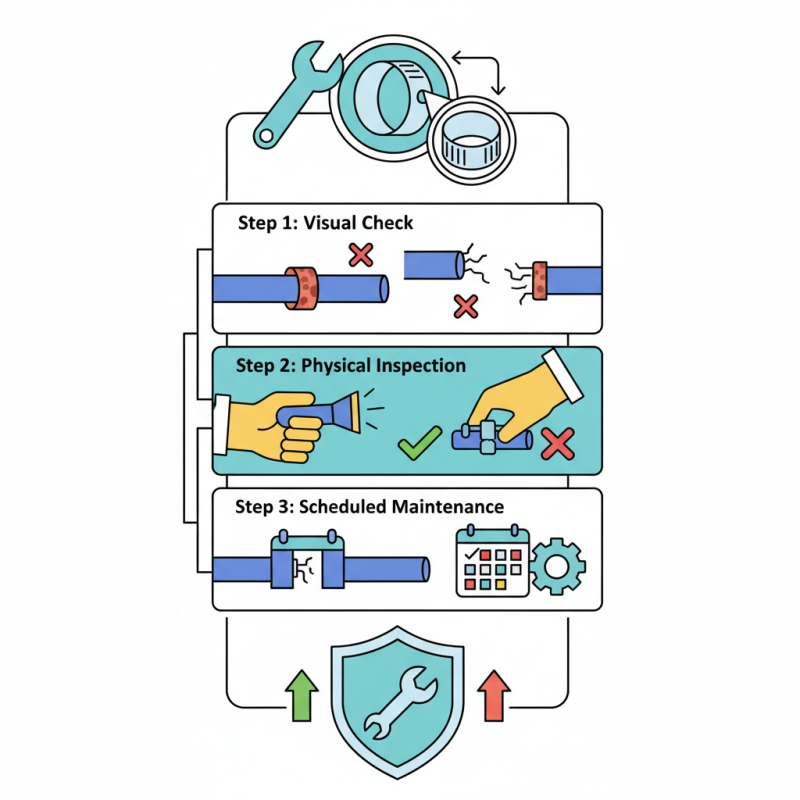
Inspecting hose clamps and fittings is crucial for safety in any setting. Regular checks can prevent leaks and ensure optimal performance. Start by visually examining each clamp. Look for signs of rust or corrosion that can weaken the material. Pay attention to the integrity of the fitting itself. Check for any visible cracks or excessive wear.

Next, check the tightness of each hose clamp. A loose clamp can lead to dangerous leaks. Use a torque wrench to ensure it meets recommended specifications. If you notice any clamps that require excessive tightening, it may indicate a larger issue. Replace any worn clamps promptly to maintain safety.

Tips: Always wear safety gloves when inspecting clamps. This protects your hands from sharp edges and debris. Document your inspections regularly. Keeping records helps in identifying patterns over time. Combine this with a set schedule to ensure thorough coverage of all components. Regular maintenance can significantly prolong the lifespan of your hoses and improve safety across the board.

Common Signs of Wear and Failure in Hose Fittings

Hose fittings are crucial for safe operations. Regular inspections help identify potential issues. Common signs of wear include leaks, cracks, and corrosion. A report from the National Institute for Occupational Safety and Health (NIOSH) indicates that improper maintenance leads to 25% of workplace accidents.

When inspecting hose clamps, check for deformation. Clamps that no longer grip tightly may cause slippage. According to a study by the Association of American Railroads, 30% of hose failures are attributed to improper fittings. A worn fitting can lead to hazardous spills or blowouts. Inspect your system regularly.

Examine the hose material itself. Look for visible wear or discoloration, which can signal degradation. Additionally, monitor for vibrations during operation; these can indicate underlying problems. The American Society of Mechanical Engineers (ASME) emphasizes that proactive maintenance can reduce failure rates by up to 40%. Regular checks can prevent serious accidents.

Best Practices for Maintaining Hose Clamps and Fittings Safety

Regular inspection of hose clamps and fittings is vital for ensuring safety. Over time, wear and tear can weaken these components. Fittings can corrode, while hose clamps may loosen. Regular checks can prevent leaks and failures.

Tips: Examine for any signs of rust, cracks, or deformation. Replace any faulty clamps immediately. Ensure that fittings are tight but not overly tightened. Remember, an overtightened fitting can lead to damage.

Keep an inspection log. Document your findings and take notes on conditions. Tracking wear can help identify patterns and predict failures. A proactive approach fosters reliability. Regular maintenance not only enhances safety but also boosts operational efficiency. Performing these steps consistently reflects a commitment to safety and quality.

How to Regularly Inspect Hose Clamps and Fittings for Safety? - Best Practices for Maintaining Hose Clamps and Fittings Safety

Inspection Frequency Inspection Method Common Issues to Look For Recommended Action
Monthly Visual Inspection Corrosion, cracks, or looseness Tighten or replace as necessary
Quarterly Functional Test Hose leaks or unstable fittings Replace leaking components
Annually Detailed Inspection Severe wear or unusual wear patterns Schedule replacements before failure
After Repairs Re-check Fittings Improperly secured connections Ensure all connections are secure

FAQS

: Why are regular inspections of hose clamps and fittings important?

: Regular inspections ensure safety and prevent leaks in fluid systems. They help identify issues before they worsen.

What should be inspected on hose clamps?

Inspect the clamp body for rust or damage. The screw mechanism should also move smoothly. Signs of wear indicate a risk of failure.

What are common signs of wear in hose fittings?

Look for leaks, cracks, or corrosion. Deformation and loose grips also signal that a clamp may fail.

How can inadequate inspections affect safety?

Inadequate inspections can lead to hazardous situations and increase accident risks. Regular checks are essential for safety.

What materials are common for hose fittings?

Hose fittings can be made from stainless steel or plastic. Each material has varying durability and cost.

What percentage of hose failures are due to improper clamp conditions?

Nearly 30% of hose-related failures are caused by improper conditions of the clamps. Regular inspections can mitigate this risk.

What should I do if I find signs of wear?

Document your findings and address any issues immediately. Ignoring small problems could lead to more significant failures.

How often should I conduct inspections?

Develop a routine that prioritizes inspections. Frequent checks enhance overall equipment reliability and safety.

Can I rely on visual inspections alone?

While visual inspections are helpful, they should be detailed. Small anomalies must not be overlooked; they can indicate bigger problems.

What role do trained personnel play in inspections?

Trained personnel enhance the inspection process. Their expertise helps identify potential issues more effectively.

Conclusion

Regular inspections of hose clamps and fittings are crucial for ensuring safety and preventing equipment failures. To effectively address the question of "How to inspect hose clamps and fittings regularly?", one must first understand the importance of these components and the potential hazards associated with neglecting their maintenance. By identifying key elements such as the material quality and design of hose clamps and fittings, individuals can better assess their condition during inspections.

A step-by-step inspection process should include checking for signs of wear, such as corrosion, cracking, or loosening of fittings. Recognizing these common indicators of failure helps in taking proactive measures to maintain safety. Additionally, implementing best practices, such as routine checks and proper installation techniques, can significantly extend the lifespan of hose clamps and fittings, ensuring their reliable performance in various applications.

Ethan

Ethan

Ethan is a seasoned marketing professional with a deep expertise in our company's innovative product line. With a passion for sharing knowledge and insights, he takes the lead in regularly updating our corporate blog, where he explores industry trends, product features, and effective marketing......