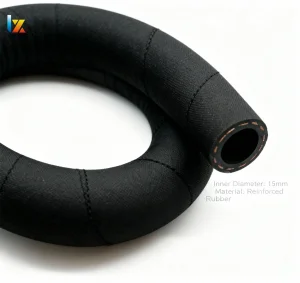
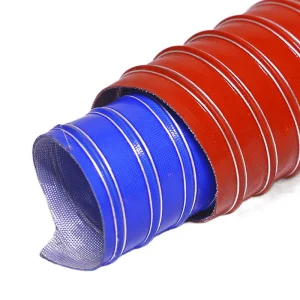
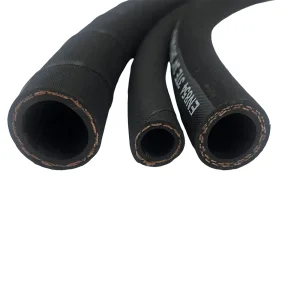
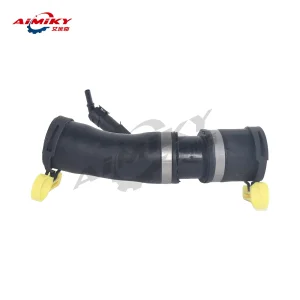
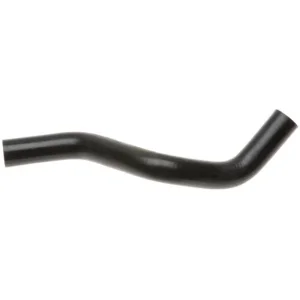
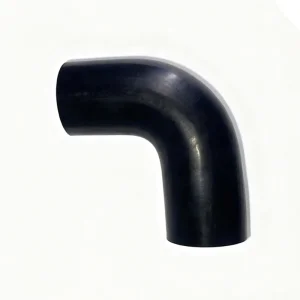
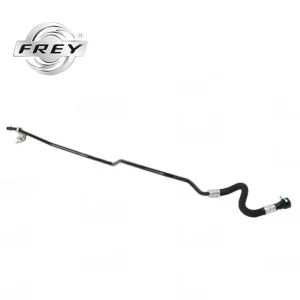
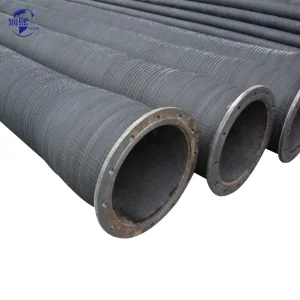
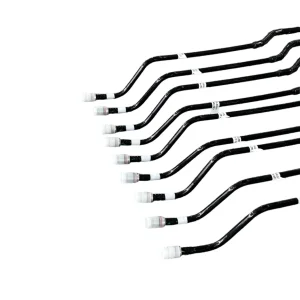
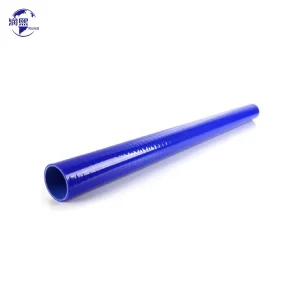
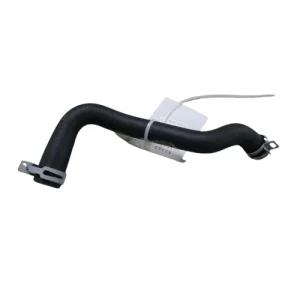
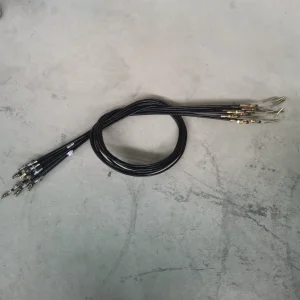
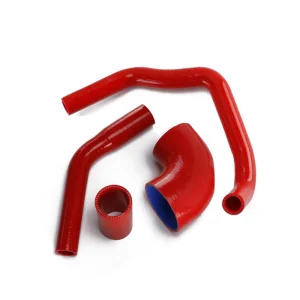
High-performance custom engineering hoses matching global automotive standards and complex pipeline assemblies.
Global SCR Top Supplier Recognition
Certified AdBlue Safety Compliance
Extreme Cold Start Performance
Automotive Quality System Verified
Decoding the expansion of Selective Catalytic Reduction (SCR) architecture under international net-zero mandates.
Environmental emission regulations, specifically the European Euro VI (Euro 6) standards, the US EPA Tier 4 Final, and China VI mandates, have compelled global logistics, transport, and heavy manufacturing fleets to transition to cleaner combustion solutions. At the epicenter of this ecological transition is Selective Catalytic Reduction (SCR) technology. AdBlue (also known as Diesel Exhaust Fluid or DEF), a high-purity aqueous urea solution containing 32.5% industrial urea and 67.5% deionized water, is injected into the hot exhaust stream of diesel engines to break harmful nitrogen oxides (NOx) into harmless nitrogen and water vapor.
The transport pipeline, known as the AdBlue Supply Line, serves as the neural network of the SCR system. Unlike ordinary radiator coolant pipes or standard fuel supply lines, AdBlue lines must sustain chemically corrosive fluids, handle extreme pressure differentials, and perform in freezing or blistering environments. In cold regions, AdBlue freezes at approximately -11°C (12.2°F). Therefore, modern AdBlue supply line systems incorporate advanced heated tube bundles containing internal resistance wires (PA12 cores wrapped in heating components) to enable rapid thawing and continuous fluid mobility.
Urea requires highly stable polymer construction. Traditional rubber hoses decay rapidly; advanced PA12 or custom EPDM compounds are mandatory.
Thawing performance is crucial. Heated line integration utilizes advanced wire wrapping designs or heated coolant jacket bypass systems.
Subject to extreme vibration and dynamic temperature fluctuations ranging from -40°C up to +120°C in heavy engine bays.
Analyzing materials, heat delivery mechanics, and mechanical architecture.
Engineering a high-performance AdBlue supply line relies on layers of advanced materials. The core fluid conduit must prevent contamination of the urea solution, as metallic or sub-standard polymer elements leach mineral ions that permanently deactivate SCR catalytic components.
| Hose Structural Layer | Standard Material Composition | Core Engineering Properties | Target Application Performance |
|---|---|---|---|
| Fluid Inner Core | Polyamide 12 (PA12) / Polyamide 11 (PA11) | Excellent resistance to aqueous urea degradation, low chemical leaching coefficient, smooth inner bore. | Maintains chemical purity of AdBlue to prevent catalyst contamination. |
| Heating Elements | Nickel-Chromium (NiCr) / Copper heating wire alloys | Extremely uniform resistance profile, high thermal cycle resilience. | Ensures full line thawing within 20 minutes under sub-zero operations (-40°C environment). |
| Insulation Layer | Expanded EPDM Foam / Polyurethane foam jackets | Extremely low thermal conductivity, high flexibility, vibration damping. | Preserves warmth generated by heating components, reducing electric battery load. |
| Outer Protective Wrap | Braided Polyester / PA66 / Heat-stabilized Corrugated Tube | High abrasion resistance, flame retardant, fluid resistance (diesel, grease, battery acids). | Protects line integrity from physical hazards and engine bay abrasion. |
Furthermore, quick connectors (often integrated with electric heaters) must fulfill the strict standards of SAE J2044 guidelines. Any leakage in the connections would result in crystal buildup, localized blockage, and rapid system diagnostic error codes, which can restrict engine torque and disable vehicles.
How OEM automotive groups and industrial purchasers evaluate production lines.
Selecting an SCR component manufacturing partner goes beyond basic pricing comparisons. The rigorous environment of diesel system assembly demands that global suppliers conform to a multi-tiered validation matrix:
Strict adherence to fluid handling and equipment safety parameters (ISO 22241-1 to ISO 22241-4) is non-negotiable for diesel particulate compliance.
Exporters must operate internal climate simulation labs, pressure cycling systems, and mechanical pulling rigs to replicate heavy duty fleet lifecycles.
Exporters supplying Tier-1 automotive brands or heavy machinery OEMs possess the operational discipline required for critical assembly lines.
As a global hub for manufacturing excellence, Eastern China—specifically the industrial clusters around Qingdao—hosts some of the world's most advanced automotive hose production lines. Factories like Qingdao TerraForge Machinery Co., Ltd. bridge this technological gap. Leveraging advanced rubber and polymer extrusion technologies, TerraForge manufactures fluid-handling hoses engineered to integrate into heavy-duty transport cooling, pressure steering, and specialized exhaust chemical routing systems.
Why global OEMs rely on integrated industrial centers like Qingdao.
Over the past decade, the center of gravity for high-volume automotive fluid hose production has consolidated in China's industrial zones. The core advantage of these facilities is not solely lower labor costs, but the concentration of raw material integration and logistics agility.
Immediate proximity to premium polymer synthesis facilities (PA12, EPDM compounds) and specialized micro-heater wire manufacturers simplifies supply logistics.
Design iterations for complex custom fluid systems can move from digital 3D CAD modeling to physical extrusion prototype tests in less than two weeks.
Direct access to deepwater ports like Qingdao Port ensures seamless intermodal shipping pathways to European, American, and Southeast Asian industrial zones.
Furthermore, compliance with international logistics standards ensures that parts arrive with full digital traceability, meeting IATF 16949 production quality control standards from raw material input to the final pressure test of the assembly.
Tailoring fluid line layouts for varied regional and industrial environments.
In North America (Canada, Alaska) and Northern Europe (Scandinavia), temperatures plunge below -30°C. Standard lines would freeze instantly. Electrically heated SCR hose lines, linked with high-efficiency temperature sensor systems, active thermal relays, and insulated EPDM jackets, thaws the line within minutes of starting the engine.
In Australia, Middle East, and South America, ambient temperatures can exceed 50°C. Heavy engine compartments easily experience radiant heat up to 135°C. In these environments, AdBlue lines require exterior reflective glass-fiber jackets or specialized high-grade silicone sheaths to prevent the urea solution from overheating.
For agricultural tractors, construction excavators, and stationary power generators working in high-dust, heavy-vibration environments, AdBlue supply lines are designed with corrugated polyamide tubes and quick-locking SAE connect points to prevent dust entry and hose pull-out.
The next evolution in SCR and emissions reduction pipeline systems.
As vehicles transition toward automated, diagnostic-heavy architectures, fluid lines are evolving from passive components into active, sensor-rich subsystems. The next generation of AdBlue supply lines integrates conductive polymer elements that double as heating materials and thermal sensors, eliminating independent wiring harnesses and minimizing failure points.
In addition, sustainability regulations are driving the development of bio-based Polyamide polymers derived from castor oil, reducing the carbon footprint of manufacturing. Clean fluid containment remains a high priority, and upcoming product lines aim to eliminate chemical leaching altogether, ensuring compatibility with next-generation high-sensitivity exhaust sensors.
Advanced Automotive Fluid Handling Systems Manufacturer & Exporter
Qingdao TerraForge Machinery Co., Ltd. is a leading manufacturer and supplier of durable, high‑performance automotive fluid hoses and fluid line systems, headquartered in Qingdao, China. Specializing in advanced coolant hoses, gearbox oil pipes, steering fluid lines, and windshield washer hoses, TerraForge is committed to delivering reliable solutions engineered to meet the rigorous demands of modern vehicle systems. Automotive fluid hoses play a critical role in transporting essential media such as coolant, lubricants, hydraulic steering fluids, and washer liquids throughout a vehicle’s operation, ensuring efficient thermal management, smooth transmission performance, responsive steering, and optimal visibility.

At TerraForge, precision manufacturing and strict quality controls are central to every production stage. The company uses premium materials and reinforcement technologies to produce hoses designed for exceptional temperature resistance, chemical compatibility, pressure tolerance, and vibration durability—ensuring long service life and dependable performance under extreme operating conditions. Whether serving passenger passenger cars, commercial vehicles, or aftermarket repair markets, TerraForge’s products are engineered to meet international standards and client specifications.
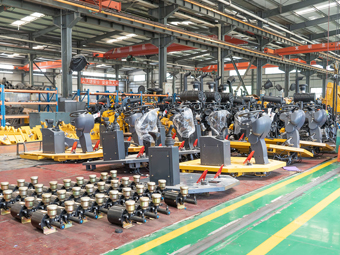
Dedicated to customer satisfaction, Qingdao TerraForge Machinery supports OEM and customized fluid hose solutions, offering expert technical support and flexible production capacity. With an expanding global footprint and a commitment to innovation, TerraForge continues to grow as a trusted partner for automotive manufacturers, repair facilities, and distributors, driving forward automotive fluid handling technology with dependable performance and quality at every turn.
Answers to key engineering and procurement queries regarding Selective Catalytic Reduction pipelines.
High-performance custom engineering hoses matching global automotive standards and complex pipeline assemblies.
 TerraForge Machinery