Discover our highly-engineered coolant circuits, high-pressure hydraulic lines, and dynamic structural hose assemblies manufactured to meet stringent SAE and ISO international specifications.
Decoding the technical evolution, physical constraints, and performance breakthroughs of modern fluid bypass systems.
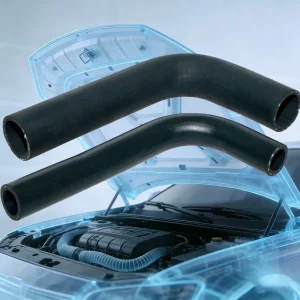
In modern powertrain engineering, internal combustion engines and hybrid vehicle architecture run hotter and at higher operating pressures than ever before. The oil filter housing hose acts as a lifeline, bridging fluid circulation pathways between the oil filter housing assembly, engine block, auxiliary coolers, and the transmission. As motor oil temperatures routinely spike above 120°C, these rubber/polymer lines must withstand intense thermal degradation, high-frequency engine vibration, and destructive internal pressure pulsations.
When engineering these systems, manufacturers face the challenge of design-in compatibility with synthetic engine lubricants. Modern synthetic engine oils contain aggressive additive packages, including friction modifiers and dispersants, which can easily swell or compromise legacy low-grade nitrile elastomers. Hence, the implementation of premium polymer components is no longer an optional upgrade—it is a critical mechanical mandate for ensuring long-term vehicle service life and preventing catastrophic engine failures.
The shift toward hybrid powertrains, downsized turbochargers, and complex under-hood routing layouts.
Over the last decade, automotive fluid systems have transitioned toward three core industry trends:
Utilizing premium grade EPDM and HNBR rubbers to counter physical swelling and oxidation under constant contact with high-temperature engine lubricants.
Integrating Aramid or heavy-duty Polyester knit structures between elastomeric layers to double structural burst pressure and prevent high-temperature dilation.
Standardized PA12 quick-fittings with internal EPDM O-rings for fast assembly times, secure lock verification, and absolute leak prevention.
Qingdao TerraForge Machinery Co., Ltd. is a leading manufacturer and supplier of durable, high‑performance automotive fluid hoses and fluid line systems, headquartered in Qingdao, China. Specializing in advanced coolant hoses, gearbox oil pipes, steering fluid lines, and windshield washer hoses, TerraForge is committed to delivering reliable solutions engineered to meet the rigorous demands of modern vehicle systems.
Automotive fluid hoses play a critical role in transporting essential media such as coolant, lubricants, hydraulic steering fluids, and washer liquids throughout a vehicle’s operation, ensuring efficient thermal management, smooth transmission performance, responsive steering, and optimal visibility.
At TerraForge, precision manufacturing and strict quality controls are central to every production stage. The company uses premium materials and reinforcement technologies to produce hoses designed for exceptional temperature resistance, chemical compatibility, pressure tolerance, and vibration durability—ensuring long service life and dependable performance under extreme operating conditions. Whether serving passenger cars, commercial vehicles, or aftermarket repair markets, TerraForge’s products are engineered to meet international standards and client specifications.
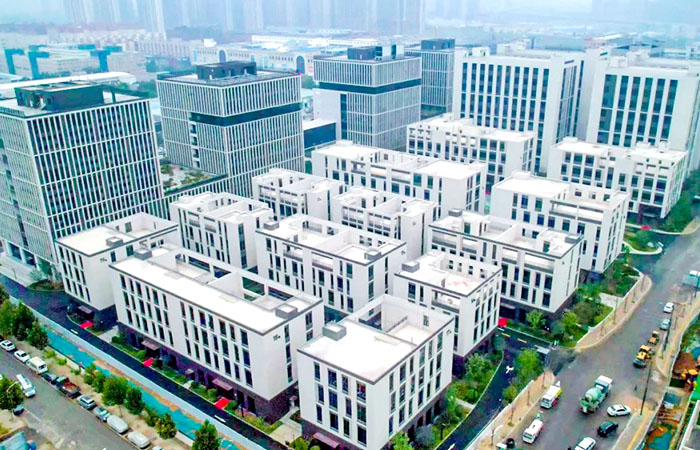
In a world characterized by macroeconomic fluctuations, global procurement officers place heavy value on supply chain stability. China's transition to Factory 4.0 manufacturing methods has positioned domestic suppliers like Qingdao TerraForge as vital hubs of reliable production.
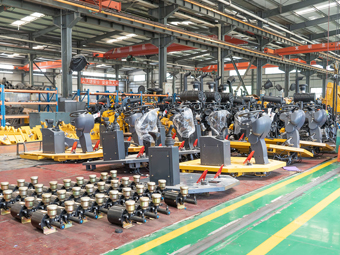
What does Factory 4.0 look like at the plant level? It starts with automated compound mixing plants where chemical compositions are monitored via IoT sensors. This eliminates human error during polymer formulation. Extrusion and vulcanization processes utilize PLC (Programmable Logic Controller) systems to maintain precise wall thickness and knit tension throughout production runs.
Furthermore, geographic integration around Qingdao provides unparalleled logistical ease. With direct access to global shipping lines via Qingdao Port, bulk raw material sourcing, local vulcanization facilities, custom mold processing shops, and packaging sectors operate in a unified cluster. This concentration slashes lead times, minimizes cross-province logistics costs, and allows for rapid prototype-to-production shifts—an essential advantage for global OEMs requiring custom oil filter housing hoses under strict timelines.
Understanding the requirements of industrial buyers across North America, Europe, and Latin America.
Purchasing managers and system integrators globally require automotive hoses to satisfy complex application demands depending on their destination markets:
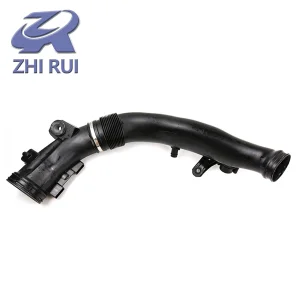
The aftermarket demand is dominated by high-turnover replacement parts. For example, BMW engines utilizing the N20, N52, or N55 powertrains require highly specific bypass lines (e.g., *13717583726 Air Duct Intake Tube* or oil cooler return lines) that frequently suffer from plastic degradation. High-quality replacement hoses must offer exact OE dimensions, robust quick-connect ends, and identical flex patterns to avoid fitting friction against the engine bay.
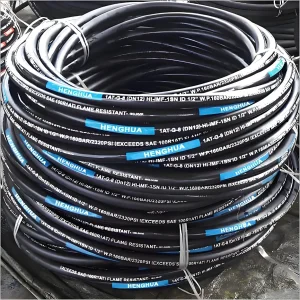
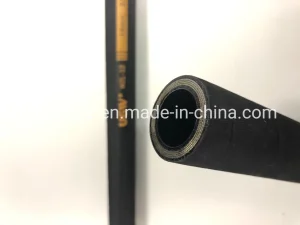
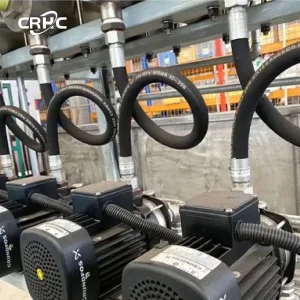
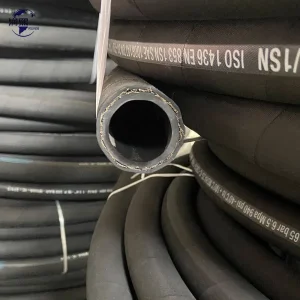
Industrial applications present a different environment. Forklifts, excavators, and agricultural gear require lines like *SAE 100 R1AT* hydraulic braided systems. Here, pressure peaks can exceed 800 Bar. Hoses must endure high abrasion and external ozone exposure. Standard automotive EPDM will not suffice; outer protective sleeves, steel wire braiding, and corrosion-resistant coupling ends are absolute requirements.
Delivery fleets, city trucks, and transport utilities operate continuously with high idle times. The engine temperature fluctuates rapidly between hot runs and deliveries. Fluid lines must combat "cold leaks" (where O-rings shrink in cold climates, releasing fluids, then expand as the engine warms). Utilizing dynamic, dual-lip internal sealing joints inside the hose connectors is critical in eliminating fleet maintenance costs.
Technical comparison of common elastomers utilized in fluid housing hoses and bypass systems.
| Material Code | Temperature Range | Chemical/Oil Resistance | Tensile/Flex Strength | Key Target Application |
|---|---|---|---|---|
| EPDM | -40°C to +150°C | Excellent (Water/Coolant), Poor (Direct Fuel) | High | Coolant & Oil Filter Housing Bypass Lines |
| HNBR | -40°C to +160°C | Superb (Synthetic Oil & Fuels) | Excellent | High-Pressure Oil Cooler/Filter Lines |
| ACM / AEM | -30°C to +175°C | Very Good (Engine Oils & Lubricants) | Medium-High | Turbocharger Oil Return & Transmission Oil Lines |
| Silicone (VMQ) | -50°C to +200°C | Fair (Requires fluorosilicone inner liner) | High Elasticity | Heavy Duty Radiator & High Heat Charge Air |
Expert technical insights regarding oil filter housing hoses, procurement logistics, and material degradation factors.
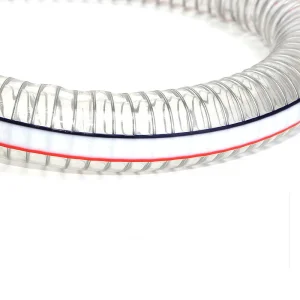
A complete selection of water heater connection pipes, air conditioning assemblies, and heavy-duty steel wire reinforced industrial lines.
 TerraForge Machinery