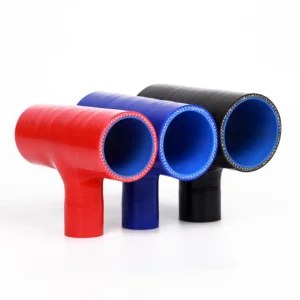
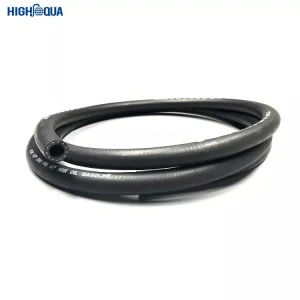
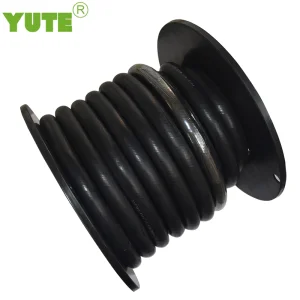
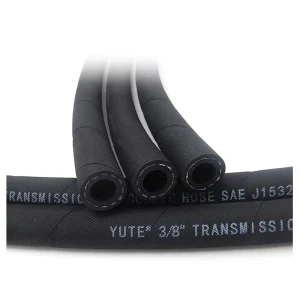
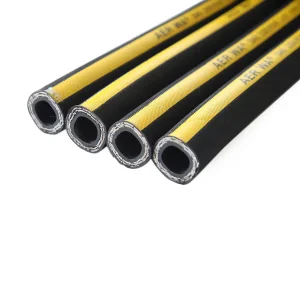
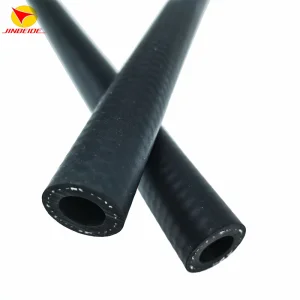
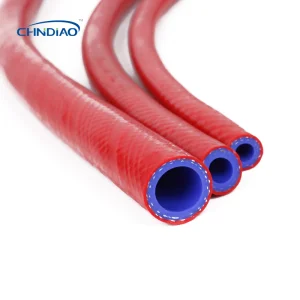
The global automotive and industrial heating system market is undergoing a significant transformation. As the demand for CE Certified Cab Heater Hoses increases, factories are pivoting toward advanced material science to ensure compliance with European safety and environmental standards. A Cab Heater Hose is not merely a conduit for hot coolant; it is a critical component of the vehicle's thermal management system (TMS), responsible for maintaining operator comfort and engine temperature stability.
In the current industrial climate, top-tier factories are focusing on electrochemical resistance and extreme temperature tolerance. Whether it’s for heavy-duty construction equipment in the Arctic or passenger vehicles in tropical climates, the hose must resist hardening, cracking, and ozone degradation. The industry is currently valued at billions, with a projected CAGR of 5.2% over the next decade, driven largely by the electrification of transport and the need for specialized coolant lines for battery thermal regulation.
Increasing shift from traditional ICE to hybrid and electric platforms requires more complex heater hose configurations to manage both cabin heat and battery temperature.
CE certification is the "gold standard" for entering the EU market, ensuring the hose meets health, safety, and environmental protection requirements.
Transition from standard natural rubber to high-grade EPDM and Silicone with Aramid fiber reinforcement for 200°C+ thermal stability.
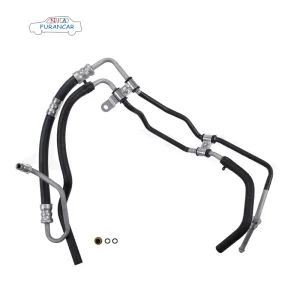
Qingdao TerraForge Machinery Co., Ltd. is a leading manufacturer and supplier of durable, high‑performance automotive fluid hoses and fluid line systems, headquartered in Qingdao, China. Specializing in advanced coolant hoses, gearbox oil pipes, steering fluid lines, and windshield washer hoses, TerraForge is committed to delivering reliable solutions engineered to meet the rigorous demands of modern vehicle systems. Automotive fluid hoses play a critical role in transporting essential media such as coolant, lubricants, hydraulic steering fluids, and washer liquids throughout a vehicle’s operation, ensuring efficient thermal management, smooth transmission performance, responsive steering, and optimal visibility.

At TerraForge, precision manufacturing and strict quality controls are central to every production stage. The company uses premium materials and reinforcement technologies to produce hoses designed for exceptional temperature resistance, chemical compatibility, pressure tolerance, and vibration durability—ensuring long service life and dependable performance under extreme operating conditions. Whether serving passenger passenger cars, commercial vehicles, or aftermarket repair markets, TerraForge’s products are engineered to meet international standards and client specifications.
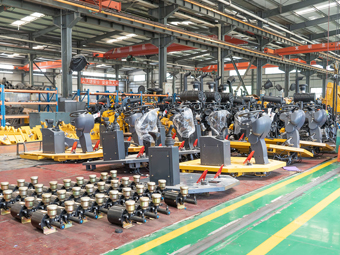
Dedicated to customer satisfaction, Qingdao TerraForge Machinery supports OEM and customized fluid hose solutions, offering expert technical support and flexible production capacity. With an expanding global footprint and a commitment to innovation, TerraForge continues to grow as a trusted partner for automotive manufacturers, repair facilities, and distributors, driving forward automotive fluid handling technology with dependable performance and quality at every turn.
As we look toward 2030, the technical roadmap for Cab Heater Hose Factory production is defined by three pillars: Smart Integration, Sustainability, and Extreme Durability.
In Northern Europe and Canada, heater hoses must maintain flexibility at -40°C. Conversely, in the mining sectors of Australia and Africa, the same hoses must withstand intense UV exposure and radiant heat from heavy-duty engines without degassing or structural failure.
Factories are now providing "Integrated Loop Solutions." Instead of selling individual hoses, manufacturers offer pre-assembled kits with quick-connectors and heat shielding, reducing labor costs for OEM assembly lines by up to 30%.
Future trends indicate a shift toward bio-based EPDM and recycled polymers to meet the growing corporate ESG (Environmental, Social, and Governance) targets of major automotive manufacturers like VW, Volvo, and Ford.
Custom Hose Designs
CE Compliance
Temp Resistance Range
Export Countries
When professional procurement officers look for a Cab Heater Hose Factory, they aren't just looking at the price per meter. They are evaluating the "Information Gain" of the supplier's technical data. A premium hose consists of three distinct layers, each engineered for a specific failure mode.
The inner layer is in direct contact with the coolant (typically a mix of water and ethylene glycol). If the rubber compound is not specifically formulated for electrochemical resistance, the hose will suffer from Electrochemical Degradation (ECD). This process creates tiny cracks that lead to pinhole leaks. Top-tier CE certified factories utilize specialized EPDM compounds that neutralize the electrical charge between different metals in the cooling system.
Modern engines operate at higher pressures to increase thermal efficiency. A standard heater hose might burst under the stress of a pressurized system in a heavy-duty tractor. By using Aramid (Kevlar) or high-tenacity Polyester braiding, factories can ensure the hose maintains its shape and integrity even under constant pulsation and vibration.
The engine bay is a hostile environment. Oil spray, heat radiation, and ozone can all degrade the outer layer of a hose. A high-performance cab heater hose features an ozone-resistant EPDM cover that passes the 72-hour ozone test at 100 pphm (parts per hundred million) concentration.
 TerraForge Machinery