Engineered fluid and pressure control solutions certified to international compliance baselines.
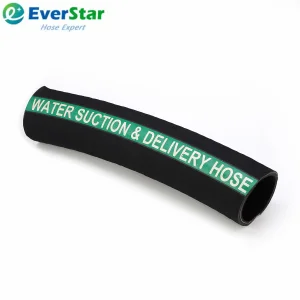
Reliable thermal management through precision-compounded elastomers designed for high-stress automotive and industrial loops.
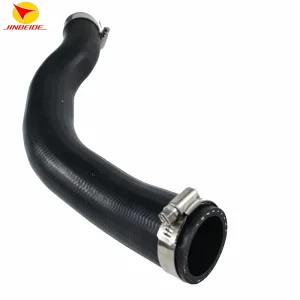
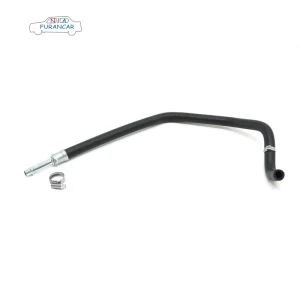
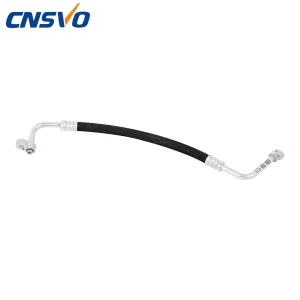
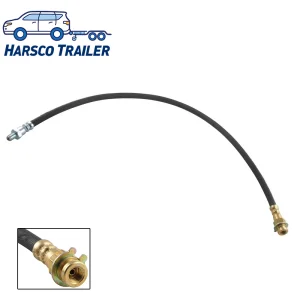
Qingdao TerraForge Machinery Co., Ltd. is a leading manufacturer and supplier of durable, high-performance automotive fluid hoses and fluid line systems, headquartered in Qingdao, China. Specializing in advanced coolant hoses, gearbox oil pipes, steering fluid lines, and windshield washer hoses, TerraForge is committed to delivering reliable solutions engineered to meet the rigorous demands of modern vehicle systems.
Automotive fluid hoses play a critical role in transporting essential media such as coolant, lubricants, hydraulic steering fluids, and washer liquids throughout a vehicle's operation, ensuring efficient thermal management, smooth transmission performance, responsive steering, and optimal visibility.
Our commitment to quality is reinforced by strict adherence to international standards, providing our global clients with CE certified solutions that ensure long service life and dependable performance under extreme operating conditions.
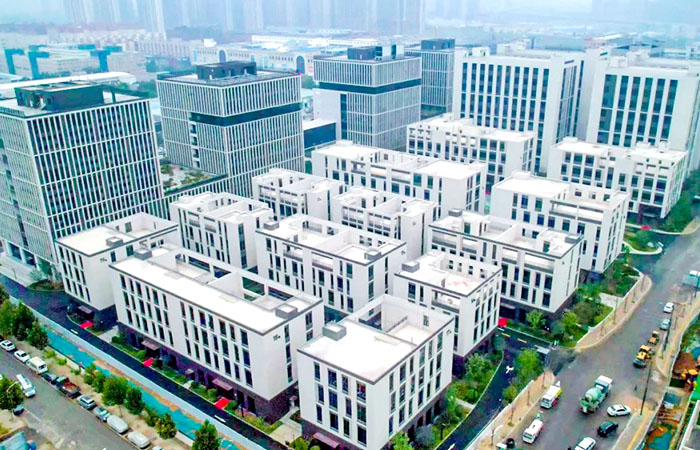
A statistical breakdown of TerraForge's baseline capabilities across industrial heater hose profiles.
Decoupling compound chemistry and mechanical layout for modern automotive heating loops.
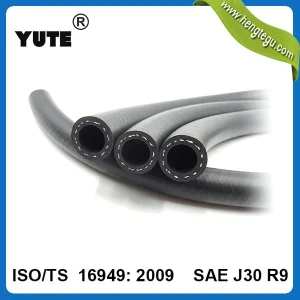
Our baseline heater hoses utilize compound-formulated EPDM. This elastomer provides high resistance to electrochemical degradation (ECD), heat, ozone, and weathering. It is structurally stabilized against chemical glycol solutions to prevent micro-cracking and standard heat hardening over long-term operation.
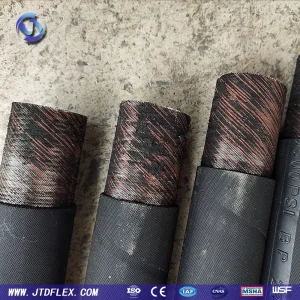
To resist expansion under extreme pressures, our heater hoses are reinforced with high-tensile aramid (Nomex) or high-tenacity polyester braids. This structural layer maintains hose integrity under operational pressures, minimizing dilation and protecting the assembly from sudden dynamic fatigue.
For high-temperature applications (up to 250°C), we design high-grade VMQ (Silicone) coolant and heater hoses. Excellent for performance racing, heavy-duty commercial trucks, and specialized stationary engines where EPDM reaches its thermal limits.
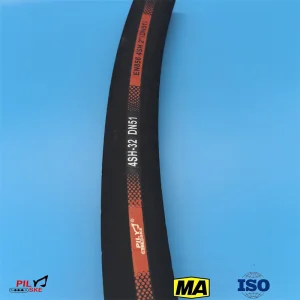
CE Certification ensures our fluid delivery systems comply with European health, safety, and environmental protection standards. This validation indicates that the hoses withstand specific pressure loads, resist environmental stress cracking, and pose no toxic exposure hazards under thermal stress.
How shift in propulsion and equipment demands are redefining liquid loop safety and efficiency standards globally.
The global demand for high-grade heater and coolant hoses is undergoing a major evolution. While traditional internal combustion engines (ICE) rely heavily on heater hoses for cabin climate control, the rise of Electric Vehicles (EVs) has broadened the application of liquid cooling and heating loops. Hybrid and battery-electric vehicles require advanced thermal management to keep batteries, power electronics, and motors within optimal temperature ranges.
This paradigm shift demands strict quality benchmarks. The global market no longer accepts general-purpose rubber tubing. Modern systems require customized shapes, branching, integrated sensor ports, and electrochemical degradation resistance. TerraForge designs custom OEM hoses that align with this industry trend, guaranteeing durability across varying global conditions.
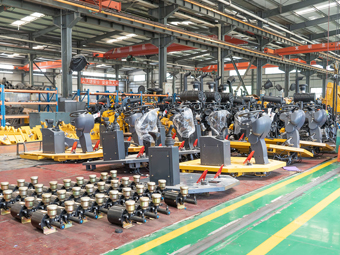
Engineered solutions optimized for specific environmental demands, agricultural requirements, and heavy transit applications.
High-capacity public transport buses run continuously for up to 18 hours daily. Our high-tensile NBR/CSM braided vacuum control and coolant hoses provide long-term resistance to oil vapor accumulation, preventing structural collapse and thermal drift in passenger heating systems.
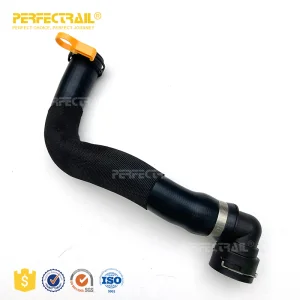
Specific platforms require exact geometric cooling coils (such as the E39 cooling loops). TerraForge matches specialized OEM requirements with exact-fit molded EPDM configurations that fit tight engine bays without kinking or restricting fluid velocity.
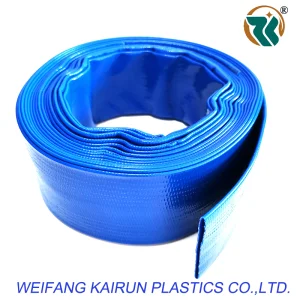
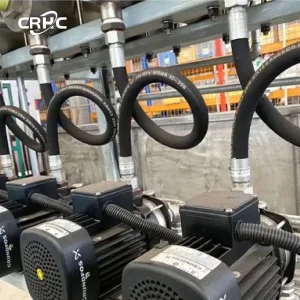
Agricultural pump discharges and irrigation loops subject systems to external abrasion and high fluid volumes. Our PVC layflat discharge lines and large-diameter water pump hoses operate consistently under direct sunlight and high pressures.
A comparative overview of elastomer performance criteria for industrial and automotive applications.
| Material Parameter | Standard EPDM Compound | Premium VMQ (Silicone) | NBR / CSM Blend |
|---|---|---|---|
| Temperature Range | -40°C to +135°C (150°C peak) | -55°C to +220°C (250°C peak) | -35°C to +125°C |
| Fuel & Oil Resistance | Poor (swells upon contact) | Fair (special grades available) | Excellent (high resistance) |
| Electrochemical Degradation (ECD) | Highly Resistant (optimized) | Immune | Highly Resistant |
| Reinforcement Options | Polyester / Aramid Braid | Polyester / Aramid Fabric Layers | High-Tensile Synthetic Braid |
| Primary Applications | Automotive heaters, radiator loops | Turbochargers, heavy-duty coolants | Vacuum lines, oil emission systems |
Where fluid dynamics and polymer science meet the demands of next-generation propulsion.
Current research targets the molecular optimization of EPDM. By restructuring cross-linking densities, our engineers aim to prevent electrochemical degradation (ECD), a major cause of cooling hose failures caused by electrical currents flowing through coolant fluids.
Aligning with global sustainability trends, TerraForge is testing bio-based ethylene and green-sourced rubbers. These materials help reduce carbon footprint in automotive component manufacturing while maintaining physical durability.
As hybrid platforms evolve, our cooling lines are being adapted to function as protective fire barriers. Incorporating flame-retardant additives into silicone-glass braid structures helps protect critical battery packs during thermal runaway events.
Future iterations may feature embedded sensors to monitor pressure, temperature, and fluid quality in real time. This technology communicates diagnostics directly to central system ECUs, alerting fleet operators before structural failure occurs.
How our manufacturing infrastructure in Qingdao ensures consistent global supply, pricing stability, and quality control.
Operating from Qingdao, China's industrial rubber hub, TerraForge benefits from local access to high-quality raw materials, state-of-the-art testing equipment, and convenient logistics. We maintain direct relationships with chemical component suppliers, shielding our production costs from global petrochemical market volatility.
Our production facilities are equipped with automated extrusion systems and advanced vulcanization ovens, ensuring uniform wall thickness and precise braid placement. Our quality control team subjects every batch to rigorous burst testing, impulse cycles, and fluid degradation tests. With the port of Qingdao nearby, we guarantee fast shipping to Europe, North America, and Southeast Asia, keeping lead times short and predictable.
Answers to key queries concerning material selection, compliance, and industrial fluid applications.
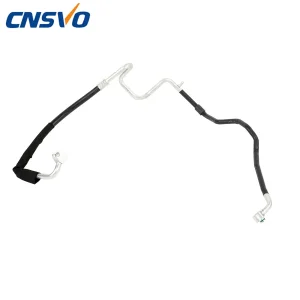
From fuel lines and A/C discharge assemblies to heavy-duty industrial hoses, discover products designed to meet international standards.
 TerraForge Machinery