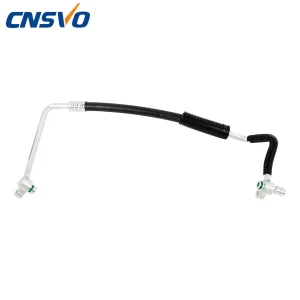
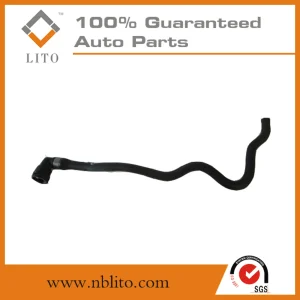
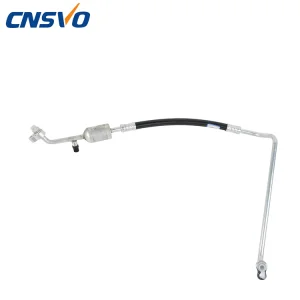
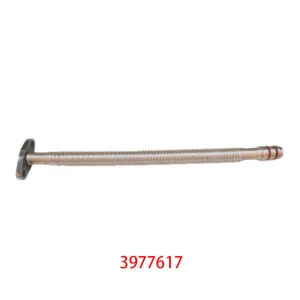
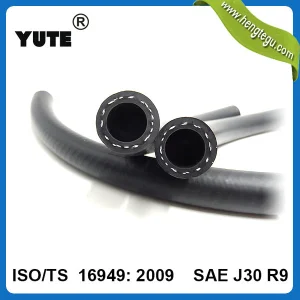
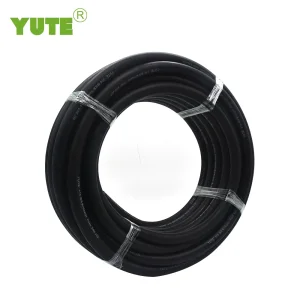
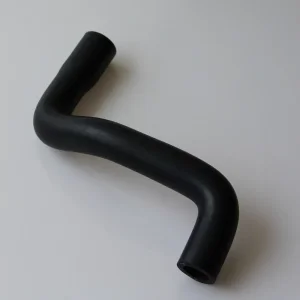
In modern automotive engineering, the fuel tank vent hose is not merely a transport tube; it is a critical safety and compliance component within the Evaporative Emission Control (EVAP) system. As fuel resides in the tank, it naturally volatilizes, generating hazardous hydrocarbon vapors. Uncontrolled release of these gases contributes heavily to atmospheric smog and fails stringent global environmental criteria such as EPA Tier 3 and Euro 6d.
The vent hose's primary purpose is to route these volatile organic compound (VOC) vapors safely from the fuel tank expansion dome to the activated charcoal canister. By maintaining constant vapor equilibrium, the hose prevents the fuel tank from collapsing under internal vacuum conditions (during fuel consumption) or swelling and cracking under excessive vapor expansion. High-quality systems require specialized material compounding to ensure low permeation rates, thermal adaptability, and dynamic physical flexibility.

Utilizing co-extruded fluoropolymer linings (such as FKM, THV, or EVOH) to reduce hydrocarbons escaping through molecular structures, achieving permeation rates below 15 g/m²/day.
Ensuring balanced atmospheric pressures during aggressive fuel flow conditions, preventing vapor lock, fuel pump cavitation, and premature engine fuel starvation.
Highly resistant to aggressive modern fuels containing up to 85% ethanol (E85), aromatic hydrocarbon solvents, MTBE additives, and corrosive engine bay ozone.
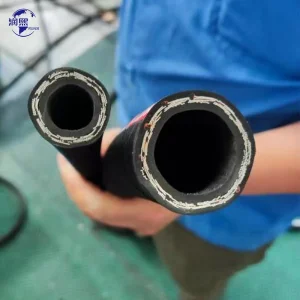
Selecting the proper rubber compound is paramount when designing vent hoses that must endure decades of operational stress. Modern factories use multi-layer constructions to combine mechanical strength with high-tier chemical protection.
| Layer Type | Common Materials | Key Properties & Engineering Function | Temperature Resistance |
|---|---|---|---|
| Inner Tube (Barrier) | Fluorocarbon Elastomer (FKM / Viton) | Extreme chemical stability, resists ethanol permeation, blocks gas vapors. | -40°C to +200°C |
| Interlayer Adhesive | NBR / CO (Nitrile / Epichlorohydrin) | Provides structural bonding strength between inner lining and outer cover. | -45°C to +135°C |
| Reinforcement Braid | Polyester / Aramid (Kevlar) Fiber | Maintains volumetric expansion stability and prevents kinking at sharp bends. | N/A |
| Outer Cover | EPDM / CSM / Chloroprene Rubber | Resists environmental ozone cracking, engine heat, road salts, and abrasions. | -50°C to +150°C |
By leveraging FKM inner layers, factories achieve compliance with global emissions legislation. The outer EPDM layer ensures that dynamic flexing and vibrations from the engine and suspension do not lead to fatigue micro-cracking over time.
The manufacturing ecosystem for fuel lines and vent systems is highly concentrated among specialized technical elastomer factories. Modern procurement agencies looking to audit suppliers look for specific manufacturing markers: automated extrusion controls, continuous laser measurement, and ISO 9001:2015 and IATF 16949 quality certifications.
Supplying direct assembly lines requires strict adhesion to continuous material tracing. Automotive companies demand long-run consistency, pressure burst tests, and extreme ozone exposure trials.
Procurement teams must balance initial material costs against long-term warranty risks. Low-cost standard EPDM lines will fail rapidly if exposed to direct gasoline spray or high ambient fuel vapor environments.
Hoses must hold certifications corresponding to regional target markets: EPA & CARB for North America, REACH and RoHS for Europe, and GB standards for industrial equipment inside China.
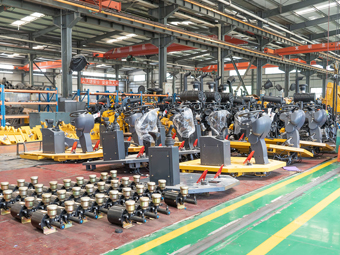
Qingdao TerraForge Machinery Co., Ltd. is a leading manufacturer and supplier of durable, high‑performance automotive fluid hoses and fluid line systems, headquartered in Qingdao, China. Specializing in advanced coolant hoses, gearbox oil pipes, steering fluid lines, and windshield washer hoses, TerraForge is committed to delivering reliable solutions engineered to meet the rigorous demands of modern vehicle systems.
Automotive fluid hoses play a critical role in transporting essential media such as coolant, lubricants, hydraulic steering fluids, and washer liquids throughout a vehicle’s operation, ensuring efficient thermal management, smooth transmission performance, responsive steering, and optimal visibility.
At TerraForge, precision manufacturing and strict quality controls are central to every production stage. The company uses premium materials and reinforcement technologies to produce hoses designed for exceptional temperature resistance, chemical compatibility, pressure tolerance, and vibration durability—ensuring long service life and dependable performance under extreme operating conditions. Whether serving passenger cars, commercial vehicles, or aftermarket repair markets, TerraForge’s products are engineered to meet international standards and client specifications.
Dedicated to customer satisfaction, Qingdao TerraForge Machinery supports OEM and customized fluid hose solutions, offering expert technical support and flexible production capacity. With an expanding global footprint and a commitment to innovation, TerraForge continues to grow as a trusted partner for automotive manufacturers, repair facilities, and distributors, driving forward automotive fluid handling technology with dependable performance and quality at every turn.
Venting systems operate across diverse environmental frameworks, requiring customized configurations based on the industry:
Modern Plug-in Hybrid Electric Vehicles (PHEVs) present a unique engineering challenge: the combustion engine can remain off for weeks. This traps vapor under high pressures within the tank, requiring heavily reinforced fluoropolymer vent hoses that withstand constant pressure cycling and maintain tight vapor seals without stress relaxation.
Bulldozers, excavators, and dump trucks operate under harsh vibrations, mud exposure, and extreme shock loads. In these systems, thick-walled steel-reinforced NBR/EPDM fuel vent hoses are critical to prevent punctures and handle heavy dirt build-up without pinching or collapsing.
Pleasure boats and commercial vessels demand USCG (United States Coast Guard) Type A1 or A2 fire-resistant lines. Marine vent lines must survive direct flame exposure for at least 2.5 minutes without leaking fuel, requiring robust fire-retardant outer covers.
The automotive and industrial fluid handling industry is pivoting toward strict decarbonization and chemical evolution. The next half-decade will usher in major breakthroughs in fluid transmission designs:
As E100 (100% Ethanol) and advanced green synthetic e-fuels expand globally, classic NBR materials are proving insufficient due to chemical degradation. The future points to high-barrier thermoplastic layers (like PVDF or ETFE) co-extruded with chemical elastomers to deliver zero-permeation performance.
Traditional vulcanized rubbers are difficult to recycle at the end of a vehicle's life cycle. Modern research is prioritizing cross-linked TPE and TPV compounds, which offer the physical properties of vulcanized rubber but can be melted and reprocessed, supporting circular economy initiatives.
Integrated EVAP lines are beginning to incorporate micro-thin conductive polymers or embedded sensors to monitor real-time pressure changes, temperature fluctuations, and fuel leakages. This feeds directly into the vehicle's onboard diagnostics (OBD-III) system.
 TerraForge Machinery