Precision-engineered components meeting global automotive standards
Underlining the critical role of cooling lines in modern automotive and industrial drivetrains
In contemporary automotive engineering, thermal management has risen to become a primary differentiator in vehicle durability, fuel efficiency, and overall performance. Transmission systems, in particular, are subjected to higher thermal loads than ever before due to the widespread adoption of multi-speed gearboxes (ranging from 8-speed to 10-speed planetary automatics, dual-clutch systems, and continuously variable transmissions). Under heavy loads, such as towing, climbing gradients, or high-speed track conditions, automatic transmission fluid (ATF) temperatures can spike rapidly. If ATF temperatures exceed the optimal operating range of 75°C to 90°C (167°F to 194°F), fluid oxidation accelerates, seal degradation occurs, and transmission failure becomes imminent.
Consequently, transmission cooler fittings, adaptive adapters, and flexible hose assemblies represent critical interfaces within the powertrain. These connections must withstand high working pressures (often exceeding 200 PSI under cold-start conditions), resist aggressive chemical additives within modern synthetic lubricants, and maintain absolute structural integrity under severe chassis vibration and ambient thermal fluctuations ranging from -40°C to +150°C.
As global manufacturers transition toward lightweight alloys and modular engine designs, the demand for high-grade transmission cooler fittings has shifted. The market now requires tight-tolerance, corrosion-resistant, and quick-connect fittings that minimize installation cycle times on OEM assembly lines while maximizing field reliability. This whitepaper analyzes the current commercial landscape, supply chain optimization dynamics, and the technological roadmap for high-performance automotive fluid handling components.
Evaluating performance profiles of EPDM, PTFE, Silicone, and Steel Alloys
To understand the longevity of transmission fluid pathways, we must evaluate the chemical compatibility and mechanical properties of the contact materials. Premium manufacturers rely on highly specialized polymers and metallurgical formulations:
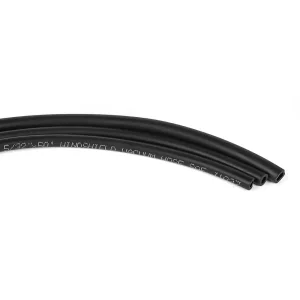
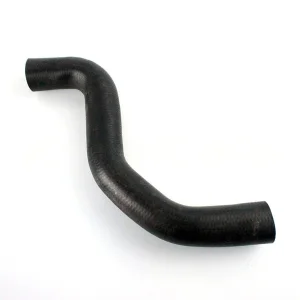
Ethylene Propylene Diene Monomer (EPDM) remains a cornerstone material in automotive cooling systems, such as Automotive Battery Thermal Management EPDM Rubber Hoses. EPDM excels in resisting ozone degradation, weather aging, and high-temperature water-glycol mixtures. In transmission applications, customized EPDM formulations are reinforced with braided polyester or aramid fibers to withstand elevated operating pressures without excessive volumetric expansion.
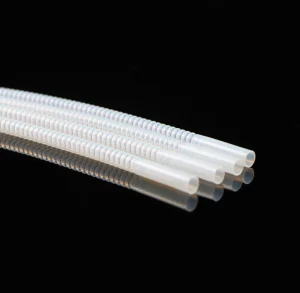
For extreme duty cycles—such as PCB Industrial Cooling System PTFE Material with Smooth Cuff Hose Size Customization—PTFE offers unmatched chemical inertness and virtually zero friction coefficient. It resists all modern automatic transmission fluids, ester-based synthetic oils, and chemical solvents, rendering it immune to swelling, hardening, or softening.
High-pressure lines rely heavily on cold-drawn carbon steel tubing to route fluid along the vehicle's chassis frame. Utilizing materials like CDS BS En 10305-1 E235+C Carbon Cold Drawn Steel Pipe ensures that the rigid segments of the transmission cooler line maintain high dimensional accuracy, excellent surface finish, and high yield strength, preventing deformation under high vibration loads.
| Material Type | Operating Temp Range | Chemical Compatibility | Primary Application |
|---|---|---|---|
| Premium EPDM | -40°C to +135°C | Excellent with Coolants, Water, Ozone | Radiator, Heater, Battery Thermal Systems |
| PTFE (Polytetrafluoroethylene) | -70°C to +260°C | Universal Chemical Resistance | High-Performance ATF Lines, Industrial PCB Coolants |
| FKM (Fluororubber) | -20°C to +200°C | Excellent with Fuels, Biodiesel, Synthetic Oils | Filler Necks, High-Temp Fuel Lines |
| E235+C Cold Drawn Steel | Ambient structural temp | Requires anti-corrosion coating (Zinc/Epoxy) | Rigid Fluid Lines, Structural Hydraulics |
Inside Qingdao TerraForge Machinery Co., Ltd.
Qingdao TerraForge Machinery Co., Ltd. is a leading manufacturer and supplier of durable, high‑performance automotive fluid hoses and fluid line systems, headquartered in Qingdao, China. Specializing in advanced coolant hoses, gearbox oil pipes, steering fluid lines, and windshield washer hoses, TerraForge is committed to delivering reliable solutions engineered to meet the rigorous demands of modern vehicle systems.
Automotive fluid hoses play a critical role in transporting essential media such as coolant, lubricants, hydraulic steering fluids, and washer liquids throughout a vehicle’s operation, ensuring efficient thermal management, smooth transmission performance, responsive steering, and optimal visibility.

"At TerraForge, precision manufacturing and strict quality controls are central to every production stage. The company uses premium materials and reinforcement technologies to produce hoses designed for exceptional temperature resistance, chemical compatibility, pressure tolerance, and vibration durability—ensuring long service life and dependable performance under extreme operating conditions."
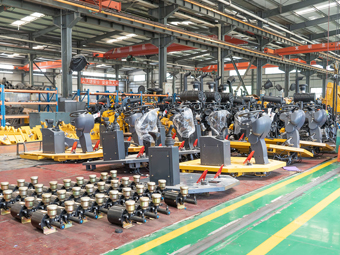
Whether serving passenger cars, commercial vehicles, or aftermarket repair markets, TerraForge’s products are engineered to meet international standards and client specifications. Dedicated to customer satisfaction, Qingdao TerraForge Machinery supports OEM and customized fluid hose solutions, offering expert technical support and flexible production capacity.
With an expanding global footprint and a commitment to innovation, TerraForge continues to grow as a trusted partner for automotive manufacturers, repair facilities, and distributors, driving forward automotive fluid handling technology with dependable performance and quality at every turn.
Understanding regional markets, driving conditions, and installation specifications
Fluid routing solutions must adapt to distinct geographical environments, compliance frameworks, and driving habits. Top exporters align their manufacturing tolerances with these highly specific localized application requirements:
In the United States and Canada, utility vehicles, high-displacement V8 engines, and heavy towing applications dominate the light truck sector. Fleet operators frequently upgrade OEM cooler lines with aftermarket auxiliary coolers. This requires heavy-duty brass or anodized aluminum AN-6, AN-8, or AN-10 adapter fittings to replace factory quick-disconnect lines, which are prone to fatigue and leaking under continuous heavy load cycles.
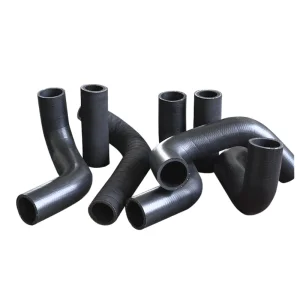
European engineering prioritizes compact space allocation within engine bays and continuous high-speed driving dynamics (e.g., German Autobahns). Drivetrain fluid systems must use tightly bent steel-rubber hybrid assemblies. Hoses like the Hot Selling European Vehicle Engine Coolant Radiator Hose Reliable Long Life are specifically optimized for multi-port routing setups that wrap around tightly packaged turbochargers and steering columns without compromising heat dissipation efficiency.
In the humid climates of Southeast Asia and major Chinese metropolises, vehicles face prolonged idling in high ambient temperatures. Under these conditions, the external jacket of under-hood hoses is highly vulnerable to micro-cracking and heat degradation. High-grade braided EPDM hoses, such as the Silicone Radiator Hose EPDM Rubber Hose Braided FAW Jiefang JAC Gallop Truck Spare Parts, utilize specialized anti-aging compounds to prevent ozone-cracking and premature degradation.
Unlocking cost advantages, localized industrial clusters, and seamless logistical execution
Why do leading global automotive brands source from Chinese factories? The reason extends beyond unit-cost savings; it lies in the concentration of technical ecosystems and robust industrial infrastructure:
Located in prime manufacturing centers like Qingdao, companies like TerraForge sit at the heart of automotive rubber and steel component ecosystems. Raw materials, specialized compounding factories, cold-drawn steel manufacturers, surface treatment shops, and rigorous testing institutes are within a 50-mile radius. This dramatic reduction in logistical lead times enables rapid prototyping phases (from CAD files to physical prototypes in under 10 days).
Top exporters invest heavily in automated production machinery, including continuous microwave vulcanization lines, multi-axis CNC Swiss machining centers, and automated crimping workstations. This technology ensures that critical features, such as hose cuff dimensions, O-ring seal grooves, and thread pitch tolerances, are held to +/- 0.02mm. This precision ensures seamless integration with OEM engines.
With state-of-the-art warehouses and automated raw material replenishment networks, Chinese factories can absorb dramatic swings in volume demand. This capacity ensures a stable supply of parts to OEMs, independent distributors, and Tier 1 system suppliers, even amid shifting global shipping dynamics.
Adapting to EV cooling systems, lightweighting, and green chemical regulations
As the global transport sector undergoes a generational shift towards electrification, the technical demands placed on fluid transmission networks are changing rapidly:
Electric Vehicles (EVs) and Hybrid Electric Vehicles (HEVs) do not rely on traditional automatic transmission fluid cooling in the same manner. However, they incorporate extensive cooling networks for battery packs, power electronics, and drive units. High-efficiency components like the Automotive Battery Thermal Management EPDM Rubber Hoses are engineered to resist low-conductivity fluids, preventing electrical leakage while ensuring optimal heat exchange across the battery cells.
To maximize EV driving range and minimize fuel consumption in internal combustion engines, automakers are replacing steel and brass components with lightweight high-strength aluminum alloys and composite materials. This has prompted the engineering of hybrid fittings that combine polymer cuffs with aluminum stems, demanding highly advanced sealing geometries.
Modern fluid line components must comply with stringent EU REACH, RoHS, and California Proposition 65 requirements. Top-tier manufacturers are phasing out halogenated plastics, heavy-metal stabilizers, and high-VOC rubber compounds. They are shifting toward clean EPDM, PTFE, and eco-friendly fluoropolymer formulations, ensuring that the entire lifecycle of the hose assembly is environmentally responsible.
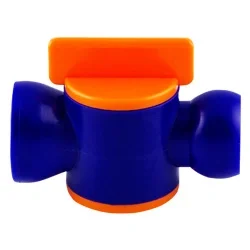
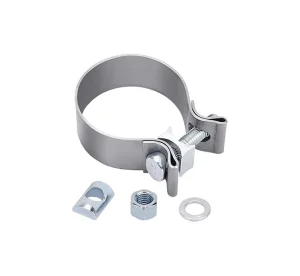
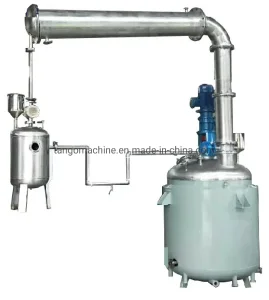
Premium auxiliary parts, connector valves, clamps, and processing machinery
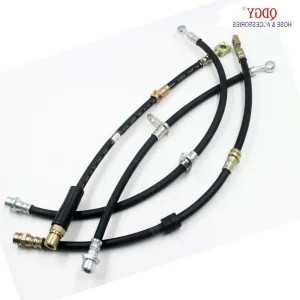
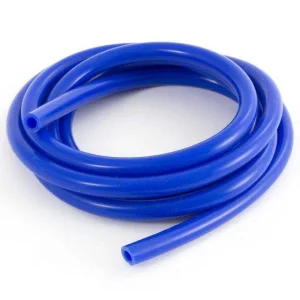
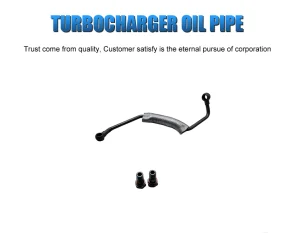
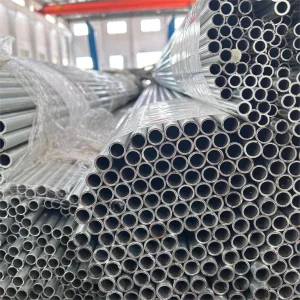
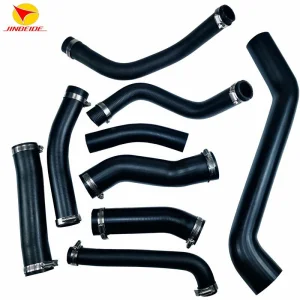
Expert engineering insights on transmission fluid lines and fittings selection
Most standard automotive applications utilize NPT (National Pipe Thread), NPSM (National Pipe Straight Mechanical), or JIC/AN threads. AN thread profiles (such as AN-6, AN-8, and AN-10) are popular in high-performance aftermarket systems. OEM setups often feature specialized push-connect or barb styles with locking clips, designed to minimize assembly line time and eliminate human error during torque application.
Common failure modes include cracking due to age and heat, galvanic corrosion at dissimilar metal joints, and friction wear from improper routing. These risks can be mitigated by using premium multi-layer hoses with aramid reinforcement, implementing adequate strain relief, and choosing fittings with advanced plating (such as zinc-nickel coatings), which withstand prolonged salt spray testing without corroding.
IATF 16949 is the global quality management standard for the automotive industry. It requires strict adherence to defect prevention, variation reduction, and supply chain traceability. Sourcing from certified manufacturers ensures that every batch of hoses and fittings undergoes rigorous quality checks, including automated optical inspections, dimensional validation, and destructive burst testing.
Yes. Leading manufacturers support custom material compounding (such as high-temp FKM or silicone layers), specific length configurations, custom bends in rigid pipes (utilizing CNC multi-stack tube benders), and custom-machined end-fittings. These configurations are tailored to meet unique space constraints, extreme vibration requirements, and aggressive chemical environments.
 TerraForge Machinery