TerraForge Machinery
1 / 5
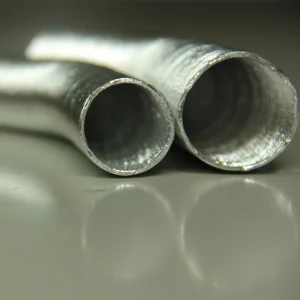
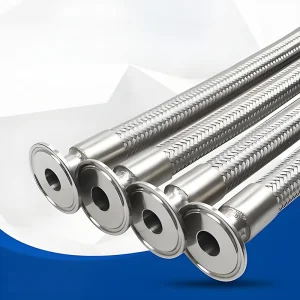
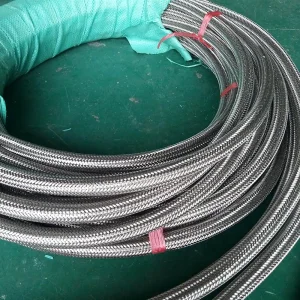
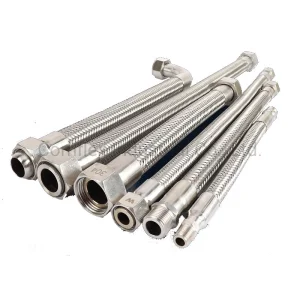
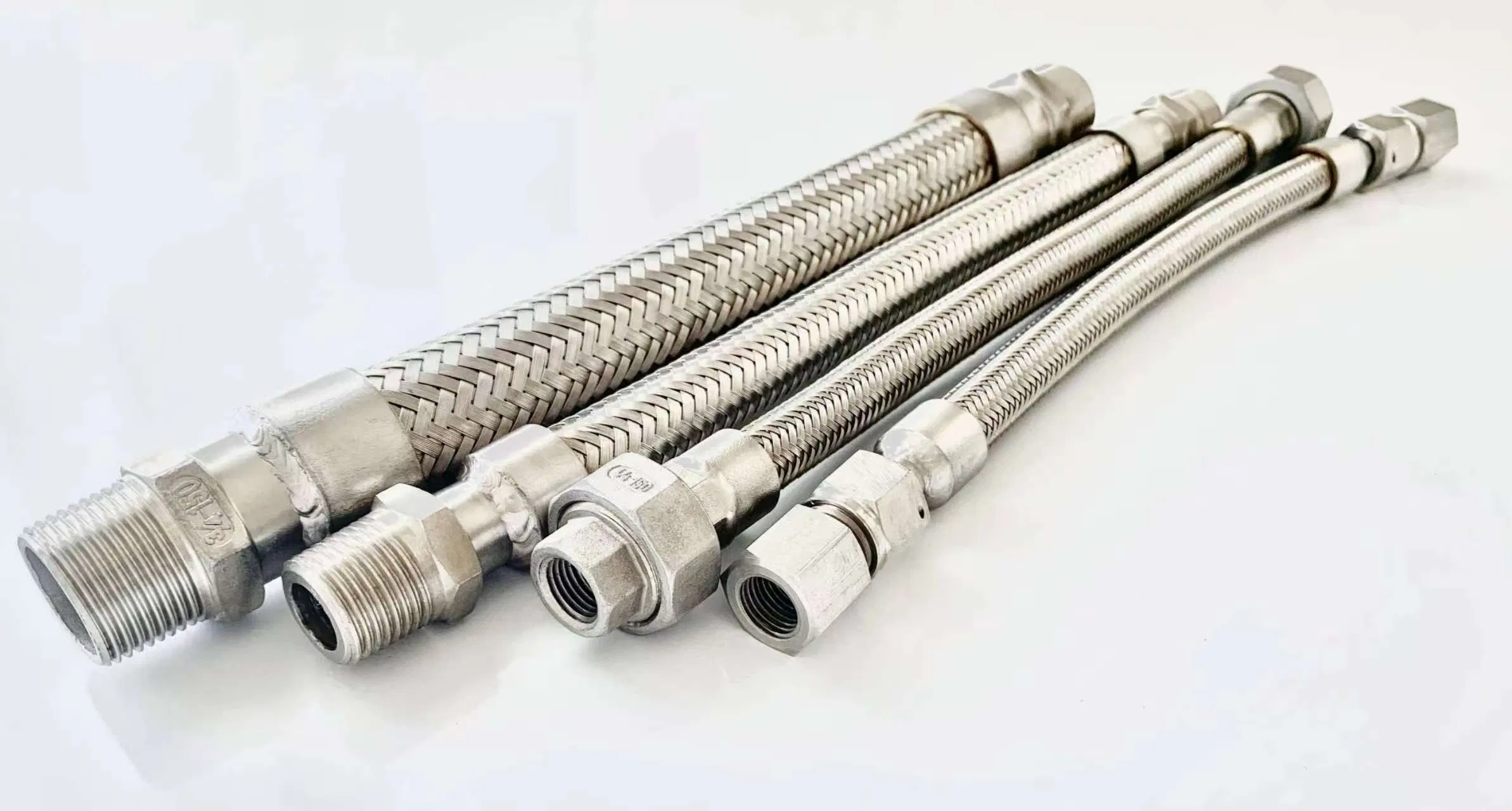
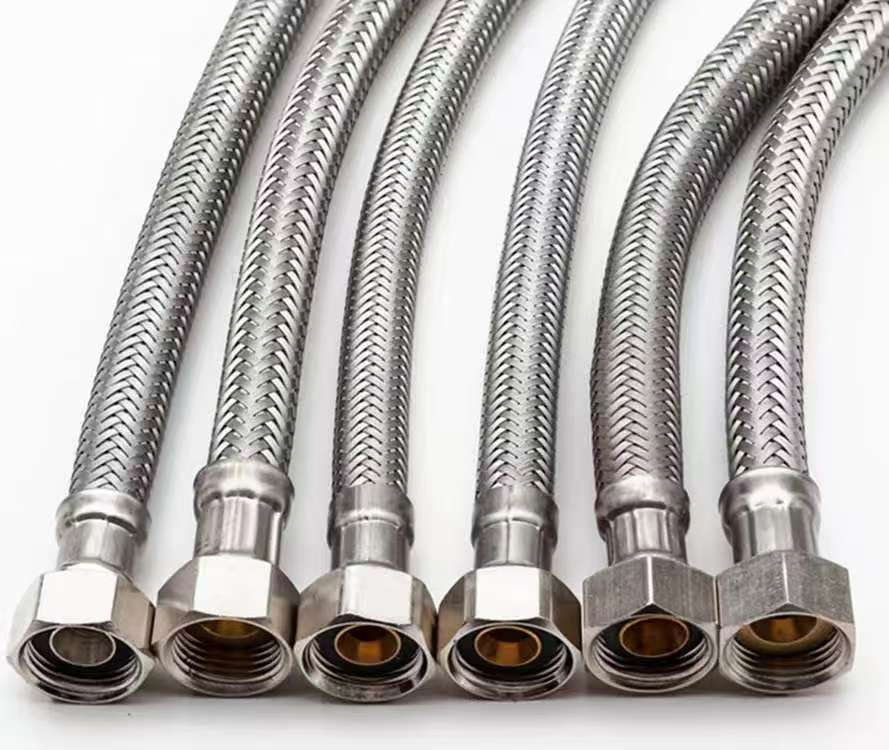
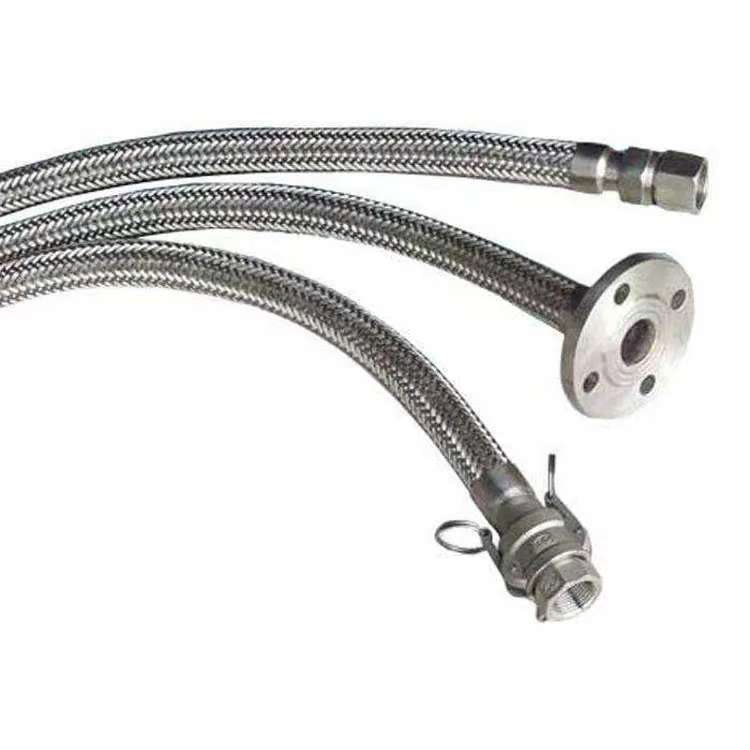
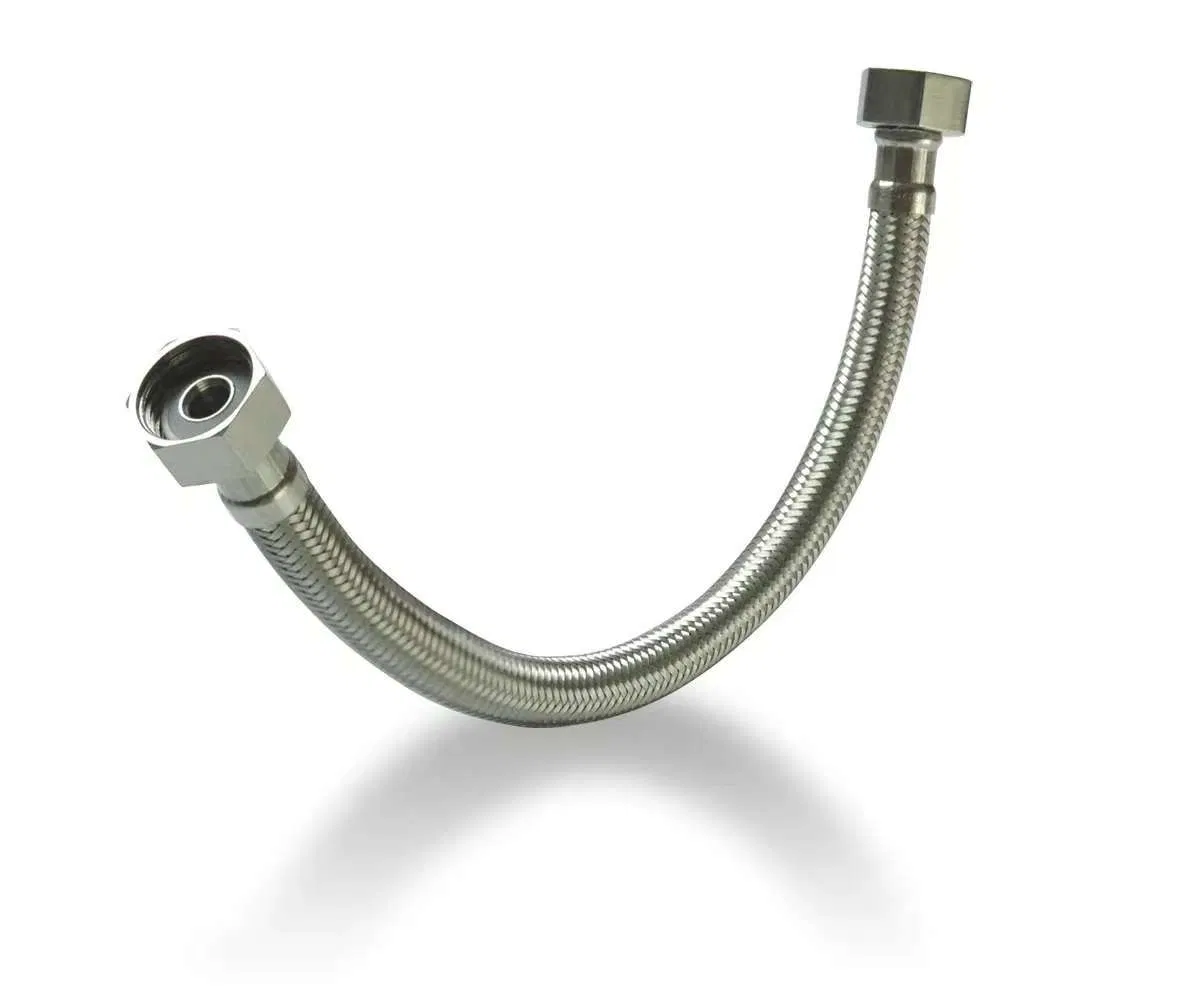
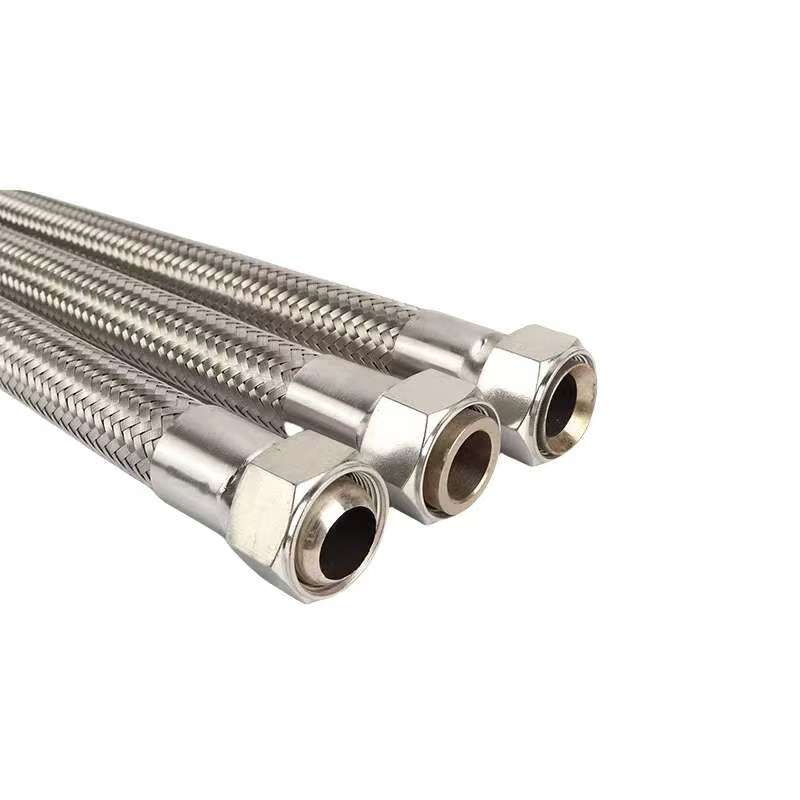
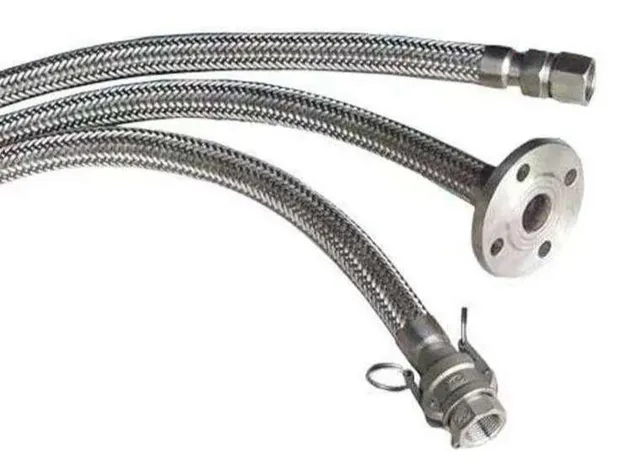
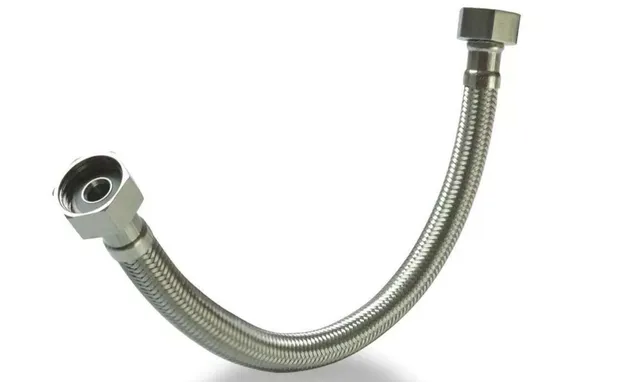
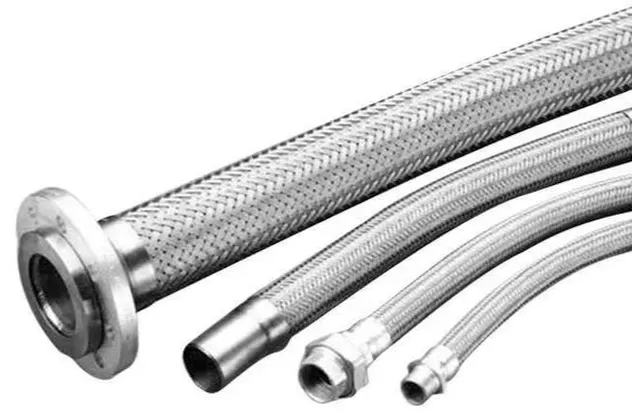
A threaded metal hose is a flexible piping component that uses a metal corrugated tube as its flexible base, with standard threaded fittings (such as G/BSP British, NPT American, DIN German standards, etc.) attached to both ends. It achieves sealed fluid transfer through thread engagement combined with sealing gaskets. Integrating the temperature resistance and corrosion resistance of metal materials with the flexible compensation capability of corrugated tubes, it is a commonly used part for connecting fixed equipment and pipelines in industrial and civil fields.
| Performance Dimension | Routine Range | Customized Range | Performance Description |
|---|---|---|---|
| Working Pressure | 0.6-16MPa | Up to 25MPa (316L) | Low-pressure for civil; medium-pressure for industrial. |
| Temperature Range | -40℃-300℃ | -200℃-600℃ | Routine for water/oil; high-temp for hot oil/steam. |
| Medium Compatibility | Water, oil, air | Weak acidic fluids | Avoid strong oxidants like concentrated nitric acid. |
| Material | 304 SS / Brass | 316L Stainless Steel | 316L preferred for humid/coastal environments. |
| Service Life | 3-5 years | 6-8 years | 2-3 times longer than rubber hoses. |
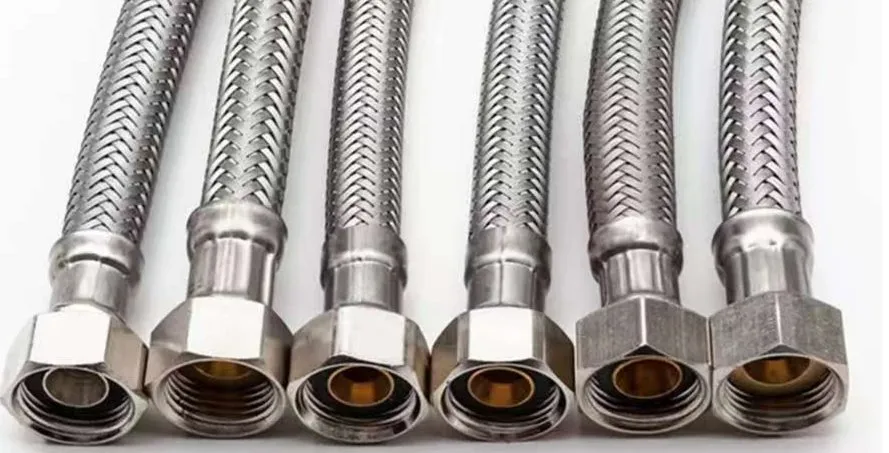
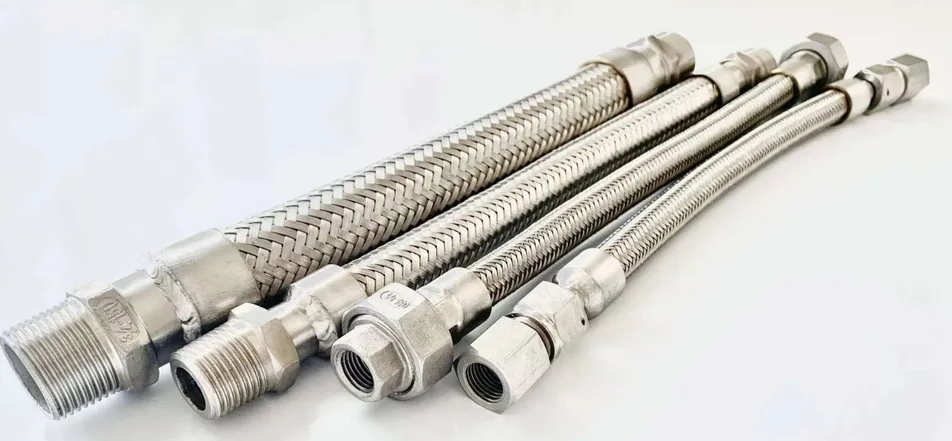
Adopting international universal thread standards, it eliminates the need for custom fittings and connects to over 80% of conventional equipment interfaces.
No professional tools like welding required—only a regular wrench is needed for installation within 5-10 minutes.
Simple fitting structure makes manufacturing costs only 70%-85% of quick-connect metal hoses.
The outer diameter is 40% smaller than flanges, making it ideal for narrow installation spaces.
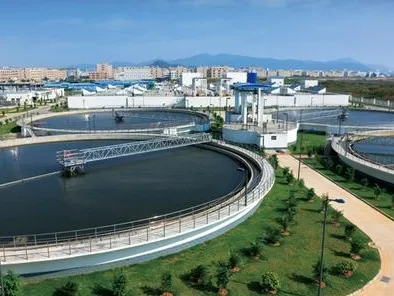
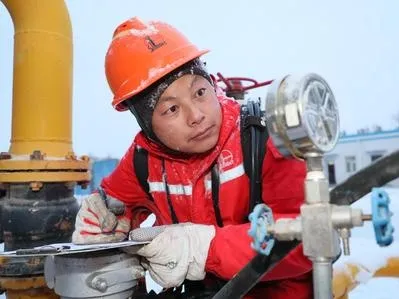
Water inlet/outlet for gas water heaters, purifiers, and washing machines. Recommended: DN6-DN25, 304 inner tube.
Building drainage, heating terminals, and air conditioner units. Recommended: DN20-DN50 with UV protective sleeves.
Machine tool lubrication and low-pressure hydraulic equipment. Recommended: DN15-DN100, 316L material.
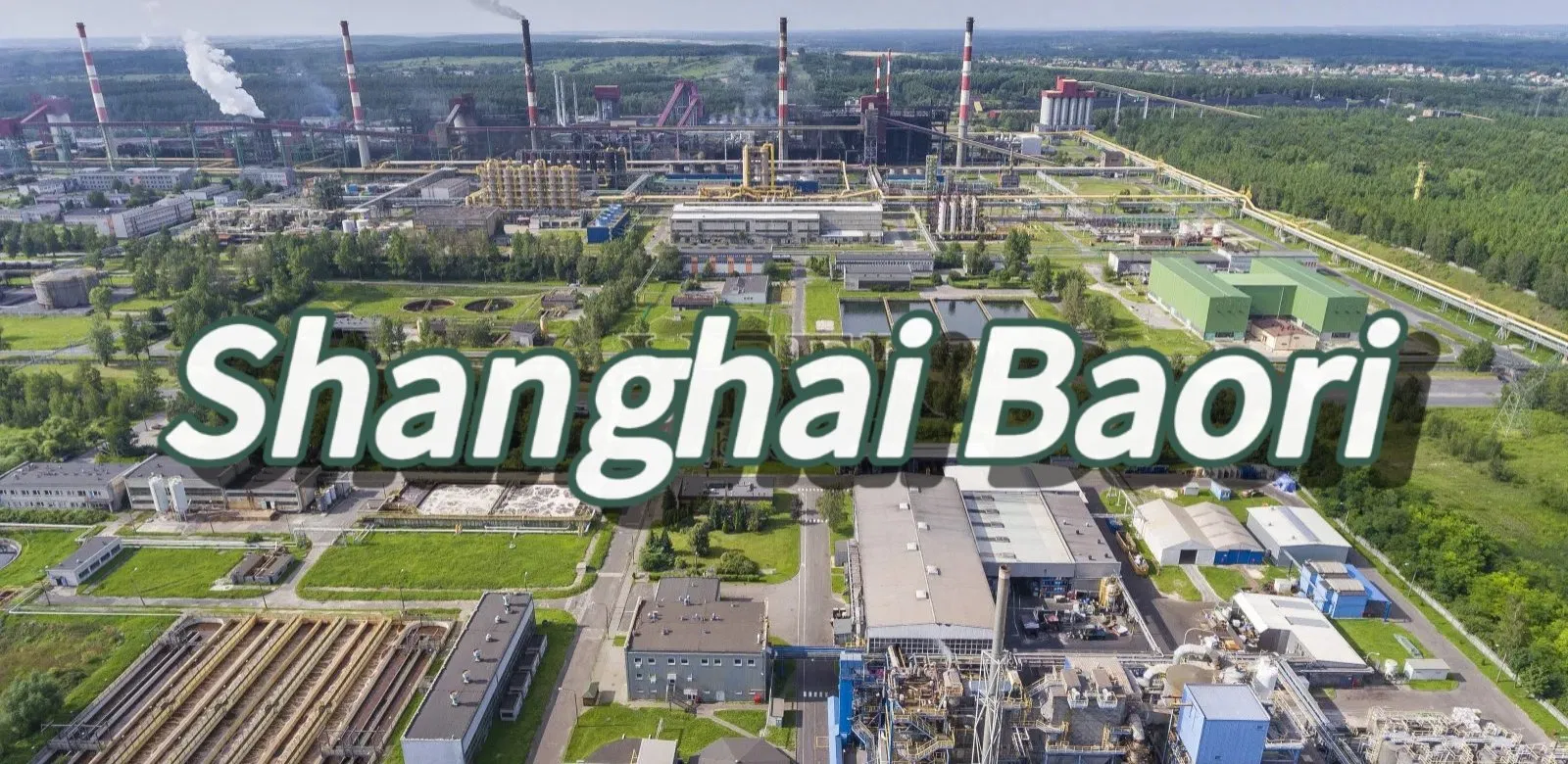
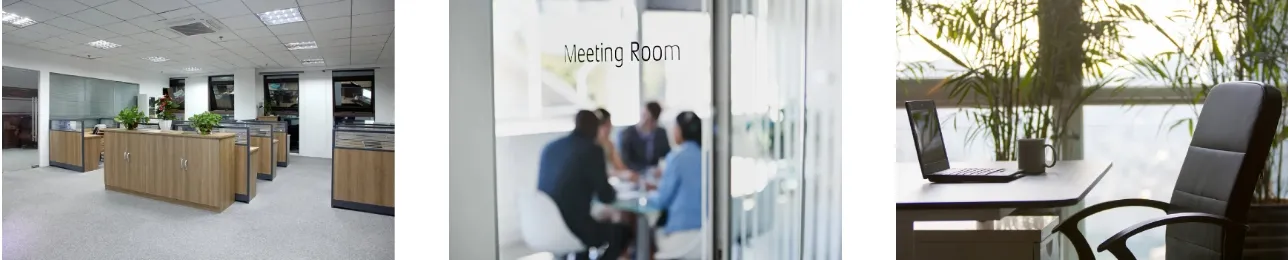
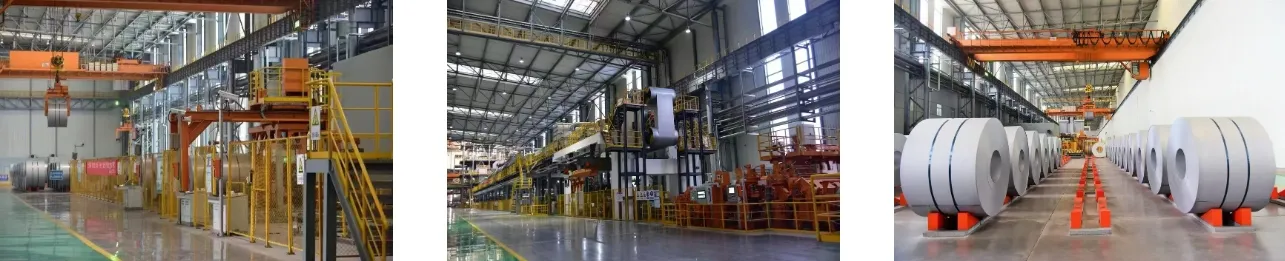
With over 15 years of manufacturing experience and 20 years in the market, we specialize in high-quality steel products. Our facilities cover more than 8,000 square meters with an annual capacity of up to 100,000 tons. We maintain a robust supply chain to match different quality and price requirements for clients worldwide.