Engineered to exceed critical regulatory norms including SAE J30, DIN, and CE certification for extreme mechanical reliability.
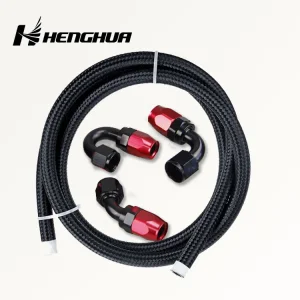
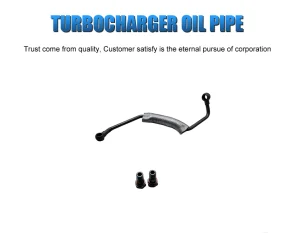
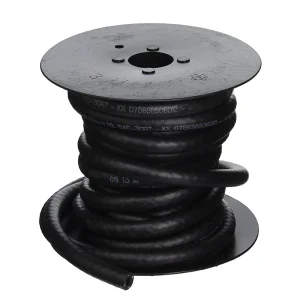
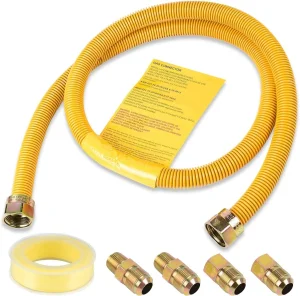
In modern industrial and automotive engineering, the physical link transporting fluids is the lifeline of system reliability. Compliance with CE standards (European Conformity) is not merely a legal requirement for accessing European Economic Area (EEA) markets; it is a globally recognized benchmark for product integrity, safety, and operational excellence. At Qingdao TerraForge Machinery Co., Ltd., we recognize that a minor degradation in fuel line chemical tolerance can lead to catastrophic system downtime, environmental hazards, or severe combustion accidents.
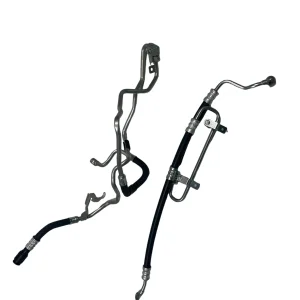
This whitepaper details the structural dynamics, material sciences, and macro-industrial application parameters of modern hose design. From low-permeation FKM formulations engineered to survive high-aromatic gasoline mixtures to high-tensile power steering and turbocharger lines, we analyze the engineering considerations required to maintain high integrity under extreme operating variables.
The global fuel hose market is undergoing a rapid transition driven by strict emission criteria, the proliferation of alternative fuels, and high-pressure injection technologies. The shift towards biofuels, specifically high-blend ethanols (such as E85) and biodiesel variants, introduces complex chemical challenges. Traditional elastomers degrade, swell, and crack when exposed to high alcohol concentrations or acidic oxidation byproducts present in bio-based components.
As a result, leading global OEMs and machinery constructors require specialized multilayer configurations. According to research, the transition of ICE (Internal Combustion Engine) vehicles toward ultra-low emission standards (Euro 6d/Euro 7 and US EPA Tier 4/CARB regulations) demands low-permeation technologies. This translates to an increased demand for fluoropolymer (FKM) barrier layers that limit hydrocarbon evaporative emissions. The demand is not limited to passenger cars; construction, heavy transport, marine, and power generation systems rely on secure CE-certified fuel line assemblies to ensure complete fire safety and structural containment under continuous workload pressures.
To acquire valid CE certification, fuel hoses must undergo strict, standardized testing. The certification validates the hose's structural integrity, burst threshold, safety factors, and electrical conductivity properties to prevent static charges. Key global and European standards include:
| Standard Code | Focus Target | Core Requirements |
|---|---|---|
| EN ISO 1307 | Dimensional Tolerances | Controls inner/outer diameters, length deviations, and concentricity across batches. |
| EN 1360 | Fuel Dispensing Hoses | Ensures electrostatic dissipation (R < 10^6 Ω) and low temperature flexibility for fuel pumps. |
| SAE J30 (R9/R12) | Fuel Injection Systems | Specifies limits for hydrocarbon permeation (< 15g/m²/day), heat aging, and chemical degradation. |
| ISO 8469 | Small Craft Fire Resistant Hoses | Evaluates mechanical integrity under direct flame contact for marine power environments. |
The performance of a fuel hose is defined by its material layering. Standard hoses fail quickly because single-elastomer polymers cannot resist both heat aging and fuel permeation at the same time. The optimal modern fuel line configuration utilizes a co-extruded multi-layer design:
Fluorocarbon Elastomer (FKM): Positioned at the core. Resistant to high-aromatic fuels, alcohol additives (ethanol/methanol), and temperatures up to 150°C (with peak resistance up to 200°C).
Nitrile Butadiene (NBR) or Epichlorohydrin (ECO): Provides cost-effective mechanical backing, high physical flexibility, and secondary barrier resistance to gaseous permeation.
Aramid, Polyester, or Stainless Steel Wire: High-tensile reinforcement layers absorb operational hydraulic spikes and mechanical pressure loads to prevent ballooning.
High-quality fluid hoses are utilized in various industrial fields, each presenting specific technical demands:
The industry is focusing on smart technologies and alternative fuel compatibility. The upcoming roadmap features:
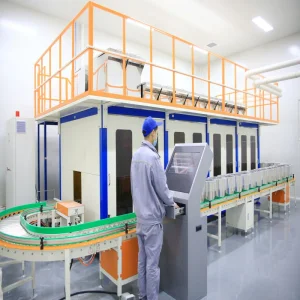
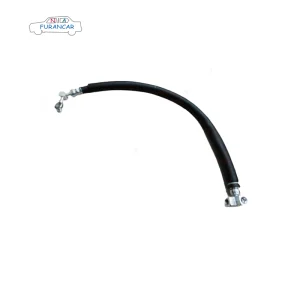
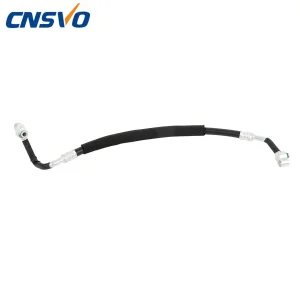
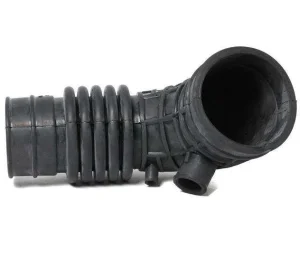
Headquartered in Qingdao, China, Qingdao TerraForge Machinery Co., Ltd. is a specialized manufacturer of high-performance automotive fluid hoses and systems. Our product portfolio spans coolant hoses, gearbox oil lines, steering fluid lines, and customized fluid systems. Utilizing premium raw materials and modern vulcanization technology, TerraForge delivers CE-certified products engineered to withstand high vibration, pressure spikes, and chemical wear.
We provide comprehensive OEM integration and custom engineering support to match client-specific configurations. Through continuous material research and strict testing processes, TerraForge is a trusted global supply partner for industrial, automotive, and aftermarket clients worldwide.
Engineered for extreme performance, including low-permeation and high-temp industrial applications.
 TerraForge Machinery