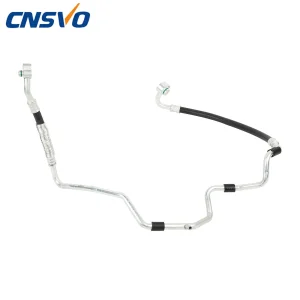
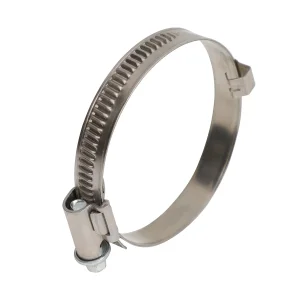
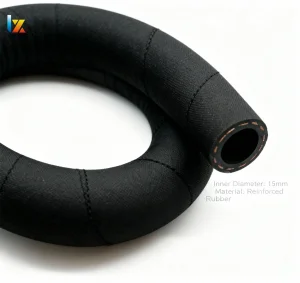
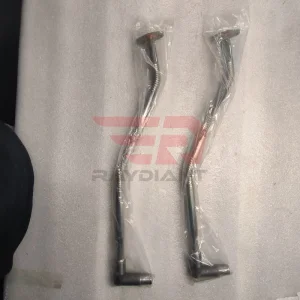
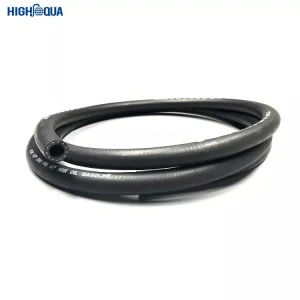
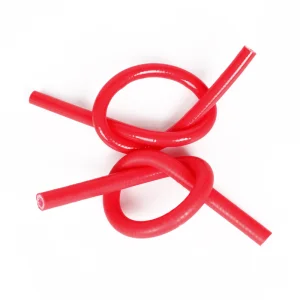
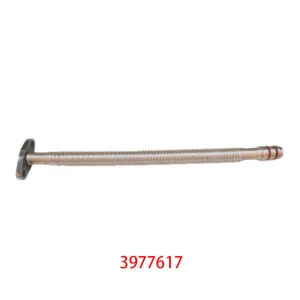
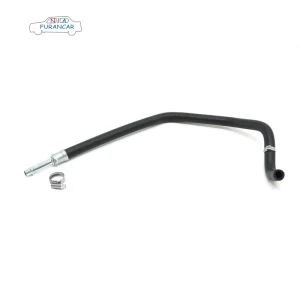
An in-depth exploration of selective catalytic reduction (SCR) system engineering, material optimization, and global logistics standards for modern heavy-duty transit and automotive ecosystems.
In modern industrial transportation and heavy automotive engineering, the Selective Catalytic Reduction (SCR) system serves as the cornerstone for meeting international diesel emissions standards, including Euro VI, US EPA Tier 4, and China VI. Central to this system is the transport of Diesel Emission Fluid (DEF)—commonly referred to as AdBlue—a urea-based solution consisting of 32.5% high-purity urea and 67.5% deionized water. Because of its specific chemical properties and physical behavior in low temperatures, DEF demands highly specialized transfer lines: the Diesel Emission Fluid Hose.
As standard EPDM or thermoplastic tubes degrade under constant urea exposure, leading to fluid contamination and catalyst poisoning, global automotive OEMs and heavy machinery distributors require verified industrial hose designs. This document details the material composition, thermal management integration, Chinese supply chain efficiencies, and regulatory compliance parameters that define global sourcing success.
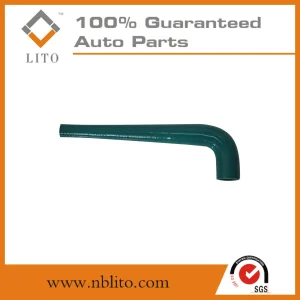
Qingdao TerraForge Machinery Co., Ltd. is a leading manufacturer and supplier of durable, high‑performance automotive fluid hoses and fluid line systems, headquartered in Qingdao, China. Specializing in advanced coolant hoses, gearbox oil pipes, steering fluid lines, and windshield washer hoses, TerraForge is committed to delivering reliable solutions engineered to meet the rigorous demands of modern vehicle systems. Automotive fluid hoses play a critical role in transporting essential media such as coolant, lubricants, hydraulic steering fluids, and washer liquids throughout a vehicle’s operation, ensuring efficient thermal management, smooth transmission performance, responsive steering, and optimal visibility.

Understanding the critical material science and architectural engineering required to withstand aggressive chemical environments and freezing conditions.
Urea is highly susceptible to contamination. Standard rubbers release copper, zinc, or manganese ions that damage the SCR catalyst. Our advanced peroxide-cured EPDM, PTFE, and PA layers guarantee zero fluid contamination and zero chemical degradation over long-term operation.
DEF solution freezes at -11°C (12°F). Modern DEF lines integrate embedded electronic heating wires, wrapped helically or longitudinally along the core. They provide uniform heat distribution to thaw frozen fluid quickly upon ignition, conforming to global regulations.
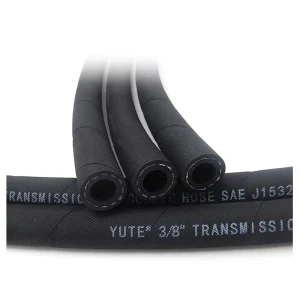
Equipped with braided aramid or high-tensile polyester reinforcements, these hoses withstand high system working pressures (typically 10 to 15 bar) and pressure spikes, while retaining high flexibility for complex routing within dense engine compartments.
In the global effort to reduce carbon footprints and hazardous emissions, commercial fleet operators are bound to strict legislative frameworks. Selective Catalytic Reduction (SCR) relies heavily on the uninterrupted supply of Diesel Emission Fluid (DEF) to the injection nozzle. Any compromise in the fluid conveyor line—whether due to freezing, clogging, or material degradation—results in engine derating, active fault codes, and immediate compliance violations.
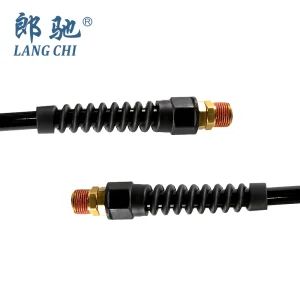
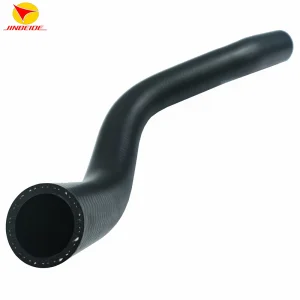
Unlike standard automotive coolant or fuel lines, the DEF hose operates in a highly corrosive environment. At high temperatures, urea solutions degrade into ammonia, which attacks common brass and steel fittings. Consequently, DEF hose assemblies utilize specialized plastics (such as polyamide 11 or 12), fluoropolymers (PTFE), or premium EPDM rubber cores paired with stainless steel (316 grade) or plastic quick-connect couplers (conforming to SAE J2044 specs).
Standard rubber formulations contain process oils and curing agents (like zinc oxides) that can leach into the AdBlue fluid. Even trace amounts of metallic ions (zinc, copper, iron) will permanently deactivate the catalytic coatings inside the SCR chamber, leading to thousands of dollars in exhaust system repairs. Our raw materials are verified through extensive spectrometry to prevent any chemical extraction.
To deliver robust performance across diverse environmental conditions, industrial manufacturers deploy multi-layered hose extrusions:
China has established itself as the global epicenter for industrial rubber and polymer extrusion technologies. By sourcing from a concentrated manufacturing hub like Qingdao, procurement teams capture structural economic advantages:
1. Direct Access to Key Feedstocks: Proximity to major polymer synthesizers drastically reduces logistics overhead and raw material lead times. High-quality synthetic rubbers and specialty engineering plastics are sourced locally under strict purity standards.
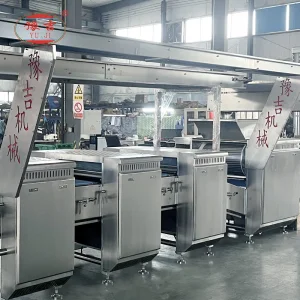
2. State-of-the-Art Extrusion Tooling: Modern Chinese factories have upgraded to automated, high-precision co-extrusion lines. This ensures consistent wall thicknesses, precise diameter tolerances (critical for leak-free coupler fitment), and high structural continuity across large production batches.
3. Integrated Assembly & Fitting Machining: Unlike factories that outsource component machining, top Chinese suppliers possess in-house CNC and metal-stamping workshops to construct custom SAE J2044 quick-connectors, over-molded heating element terminals, and tailored bracketry.
At TerraForge, precision manufacturing and strict quality controls are central to every production stage. The company uses premium materials and reinforcement technologies to produce hoses designed for exceptional temperature resistance, chemical compatibility, pressure tolerance, and vibration durability—ensuring long service life and dependable performance under extreme operating conditions. Whether serving passenger cars, commercial vehicles, or aftermarket repair markets, TerraForge’s products are engineered to meet international standards and client specifications.
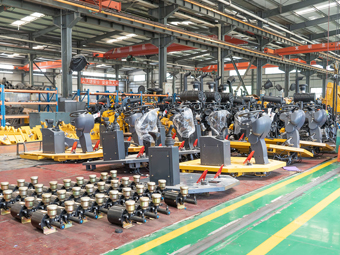
Procurement departments at automotive OEMs, logistics providers, and heavy machinery companies face mounting pressure to minimize supply chain risk while maintaining cost margins. When sourcing SCR components internationally, several non-negotiable vectors must be evaluated:
ISO 22241 Compliant Materials
Low Temp Flexibility Threshold
Working Pressure Rating
Design Life under Extreme Vibration
Diesel Emission Fluid Hoses are deployed across diverse applications, each posing unique engineering challenges:
1. Heavy-Duty Long-Haul Logistics: In transcontinental trucking, DEF lines are subjected to relentless road vibration and continuous heat cycles from proximity to diesel exhaust pipes. The hoses must possess robust exterior thermal barriers and high-vibration damping cuffs.
2. Off-Highway Agricultural & Construction Equipment: Tractors, excavators, and mining haulers operate in high-dust and highly abrasive fields. Corrugated PA outer sheaths are utilized to shield the primary fluid lines from mechanical wear, stone impacts, and dirt ingress.
3. Cold-Climate Municipal Fleets: For vehicles operating in regions like Northern Europe, Canada, or Northern China, the SCR systems must actively thaw DEF lines. Heated DEF hoses with precise heat wattage density ensure compliance with local emissions start-up timers (which require active SCR injection within minutes of engine startup).
Dedicated to customer satisfaction, Qingdao TerraForge Machinery supports OEM and customized fluid hose solutions, offering expert technical support and flexible production capacity. With an expanding global footprint and a commitment to innovation, TerraForge continues to grow as a trusted partner for automotive manufacturers, repair facilities, and distributors, driving forward automotive fluid handling technology with dependable performance and quality at every turn.
Direct technical answers addressing the most common concerns of automotive procurement officers and system engineers.
Standard EPDM hoses often utilize sulfur curing agents and compounding ingredients containing zinc, copper, or manganese. When in contact with the highly alkaline urea solution (DEF), these metallic components leach out and migrate into the SCR catalyst system, poisoning the active catalytic site and causing engine emission failures. Specialized peroxide-cured or polymer-lined hoses prevent this leaching process.
DEF solution freezes solid at -11°C (12°F). To prevent line blockage and pressure buildup, heated DEF hoses integrate longitudinal resistance heating wires. Controlled by the vehicle's engine management unit (ECU), these heating wires activate upon startup in cold climates to melt frozen DEF, restoring emission control functionalities within strict regulatory timeframes.
The primary global benchmark is ISO 22241, specifically parts 1 through 4. It governs chemical purity, storage, and testing requirements. Hoses must also pass SAE J2044 specifications for quick-connect liquid fuel/vapor systems, as well as OEM-specific thermal aging, burst pressure, and vibration stress-test benchmarks.
Our hose assemblies are designed to fit standard SAE J2044 visual quick-connect couplers (straight, 45-degree, and 90-degree configurations). By using automated injection molding and CNC-machined testing jigs, we guarantee that the connection seals are highly robust, avoiding leakage that could cause crystallization deposits.
Yes. Utilizing heat-shaping mandrels, we can set polyamide and EPDM composite hoses into custom three-dimensional profiles. This thermoforming process ensures the hose retains its designed shape within tight engine bays, minimizing routing space while preventing rubbing against moving parts.
Premium DEF hoses are engineered to match the lifetime of the vehicle, typically exceeding 10 years or 500,000 kilometers in heavy-duty commercial truck applications. Key factors affecting longevity include environmental ozone exposure, salt spray, engine thermal cycles, and physical abrasion, which we mitigate with robust outer coverings.
 TerraForge Machinery