Engineered rubber hoses, connector kits, and specialized plumbing systems for demanding industrial applications.
Qingdao TerraForge Machinery Co., Ltd. is a leading manufacturer and supplier of durable, high‑performance automotive fluid hoses and fluid line systems, headquartered in Qingdao, China. Specializing in advanced coolant hoses, gearbox oil pipes, steering fluid lines, and windshield washer hoses, TerraForge is committed to delivering reliable solutions engineered to meet the rigorous demands of modern vehicle systems. Automotive fluid hoses play a critical role in transporting essential media such as coolant, lubricants, hydraulic steering fluids, and washer liquids throughout a vehicle’s operation, ensuring efficient thermal management, smooth transmission performance, responsive steering, and optimal visibility.
At TerraForge, precision manufacturing and strict quality controls are central to every production stage. The company uses premium materials and reinforcement technologies to produce hoses designed for exceptional temperature resistance, chemical compatibility, pressure tolerance, and vibration durability—ensuring long service life and dependable performance under extreme operating conditions. Whether serving passenger cars, commercial vehicles, or aftermarket repair markets, TerraForge’s products are engineered to meet international standards and client specifications.
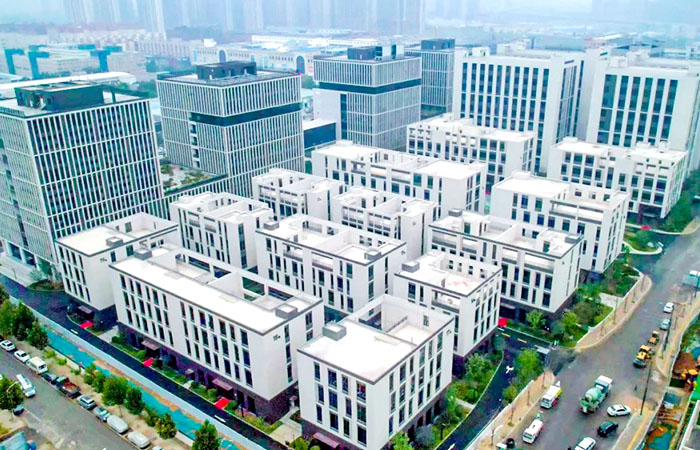
Dedicated to customer satisfaction, Qingdao TerraForge Machinery supports OEM and customized fluid hose solutions, offering expert technical support and flexible production capacity. With an expanding global footprint and a commitment to innovation, TerraForge continues to grow as a trusted partner for automotive manufacturers, repair facilities, and distributors, driving forward automotive fluid handling technology with dependable performance and quality at every turn.
By constantly researching advanced rubber formulations (such as EPDM, Silicone, and NBR) and high-tensile strength reinforcement synthetics (including aramid and polyester fibers), our engineering division ensures all customized designs exceed normal working life cycles under elevated temperature profiles and intense pressures.
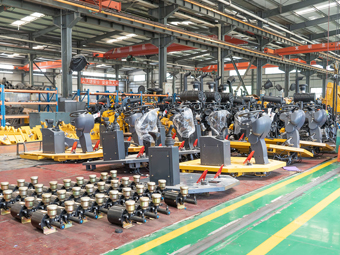
How cooling system fluid dynamics shape industrial development, commercial logistics, and automotive platforms.
The global shift from Internal Combustion Engines (ICE) to Hybrid Electric Vehicles (HEV) and Battery Electric Vehicles (BEV) has fundamentally changed thermal management configurations. Modern electric drivelines require complex, multi-stage cooling networks to maintain battery cell stability, meaning larger quantities of highly durable condenser and bypass lines are needed per vehicle.
Heavy machinery, agricultural tractors, and construction vehicles require specialized cooling pathways designed for continuous, high-load work. These setups require structural reinforcement to resist vibration, abrasion, and chemically active operational fluids while working in demanding environments.
Commercial refrigeration systems, localized HVAC heat exchangers, and industrial condensers rely on high-integrity containment pipes. These components help prevent refrigerant leaks, maintain proper operating pressures, and assist global organizations in reducing environmental footprints.
Exploring advancements in polymer formulations, reinforcement structures, and environmental regulations.
Developing synthetic rubbers that resist electrochemical degradation (ECD), which is a common cause of cooling hose failures in newer aluminum engine configurations.
Using Nomex, Kevlar, and high-tensile steel wire braids to allow cooling and turbocharger lines to work under higher internal temperatures and pressures.
Developing smart hoses with embedded diagnostic sensors to track temperature spikes, flow rates, and early wall degradation in industrial applications.
We work with a variety of specialized materials to match different operating conditions and fluids. The table below lists standard material specifications utilized across our OEM production lines:
Custom engineering solutions designed to meet specific regulatory, environmental, and thermal requirements.
Heavy-duty trucks and transport networks rely on cooling lines that can withstand long operational hours without developing micro-fissures. Our reinforced coolant and silicone products reduce system downtime and prevent fluid loss on long-haul routes.
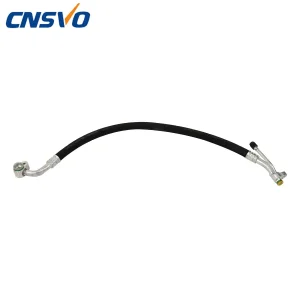
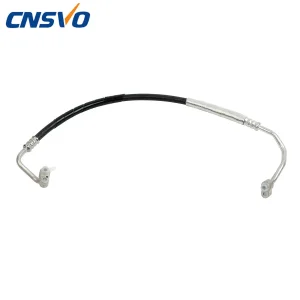
HVAC systems depend on low permeation rates to minimize refrigerant loss over years of service. We manufacture suction and discharge lines to strict specifications, helping maintain structural integrity and system efficiency.
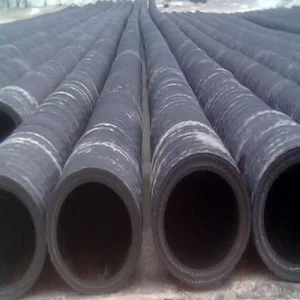
Tractors, excavators, and factory equipment require hydraulic and water pump connections that resist abrasion and environmental wear. Our steel-wire reinforced lines provide the flexibility and pressure tolerance needed for demanding physical work.
Common questions regarding material science, performance criteria, and OEM custom production processes.
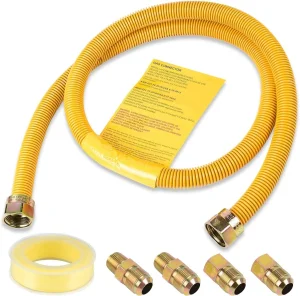
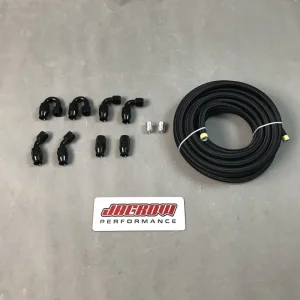
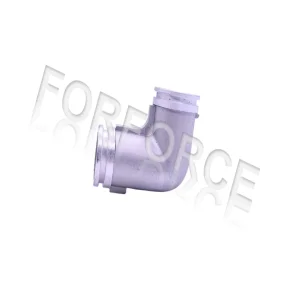
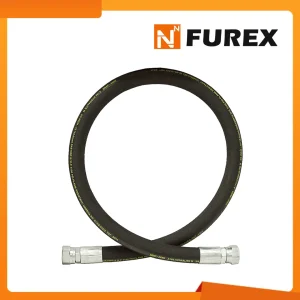
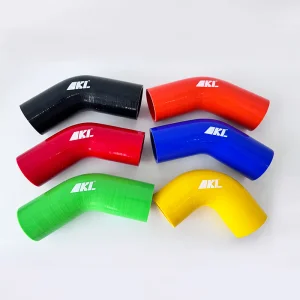
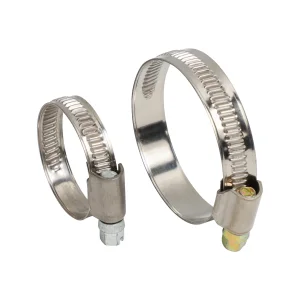
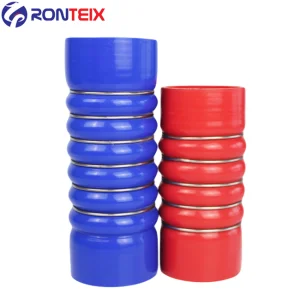
Braided hydraulic lines, high-temperature silicone elbows, and heavy-duty clamps designed for challenging installations.
 TerraForge Machinery